Dhanyaka
धान्यक
Coriandrum sativum L.
Apiaceae · Coriandrum
Benefits & side effects
TRADITIONAL VIEW, WITH SAFETY LIMITS
Hindi name: Dhania
What the texts say Dhanyaka does
- Deepana — kindles digestion (appetiser)
- Pachana — digests ama (digestive)
- Trishnanigrahana — quenching thirst
- Mutrala — diuretic
- Jwaraghna — used in fever
- Rochana — improves taste and appetite
What the evidence says. Traditional use is extensive and long recorded. Modern clinical evidence is limited.
Side effects and limits
- Allergic reaction in those sensitive to Apiaceae
- Increased sensitivity of skin to sunlight, reported with handling the plant
Avoid or ask first: Known allergy to coriander or to other plants of the Apiaceae family.
A traditional classification, not a recommendation. The full safety record is below.
Stands in 3 groups
- Trishnanigrahana — Quenching thirst
- Sheetaprashamana — Allaying cold
- Guduchyadi — Fever, thirst, vomiting and burning (named there as Kustumburu)
A Samhita can only be read forwards, from the group to its members. This is the same list read backwards.
Photographs
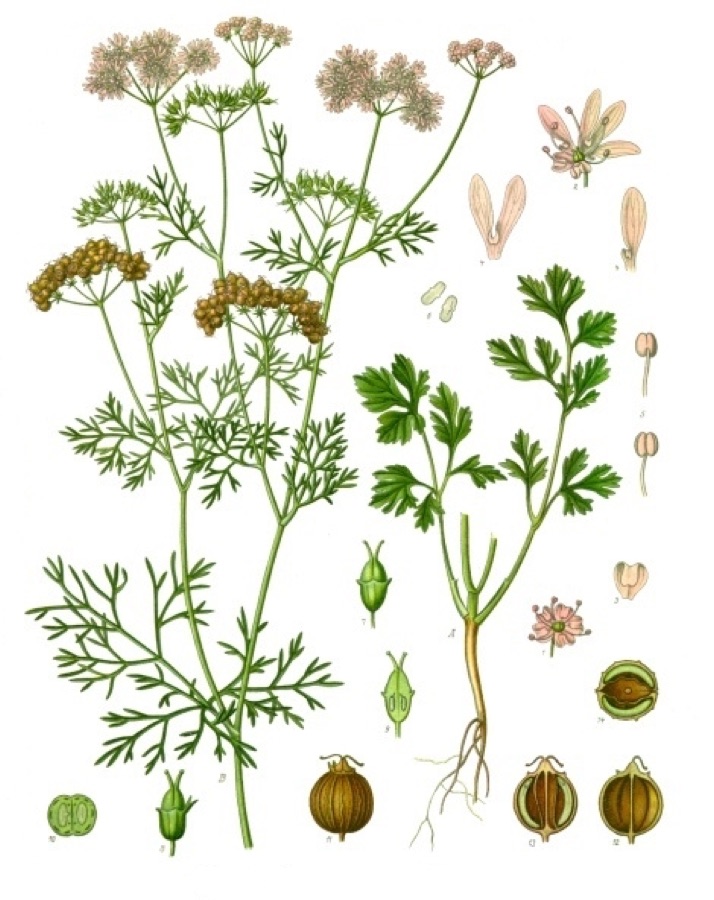
Photo: Franz Eugen Köhler, Köhler's Medizinal-Pflanzen · Public domain · Wikimedia Commons

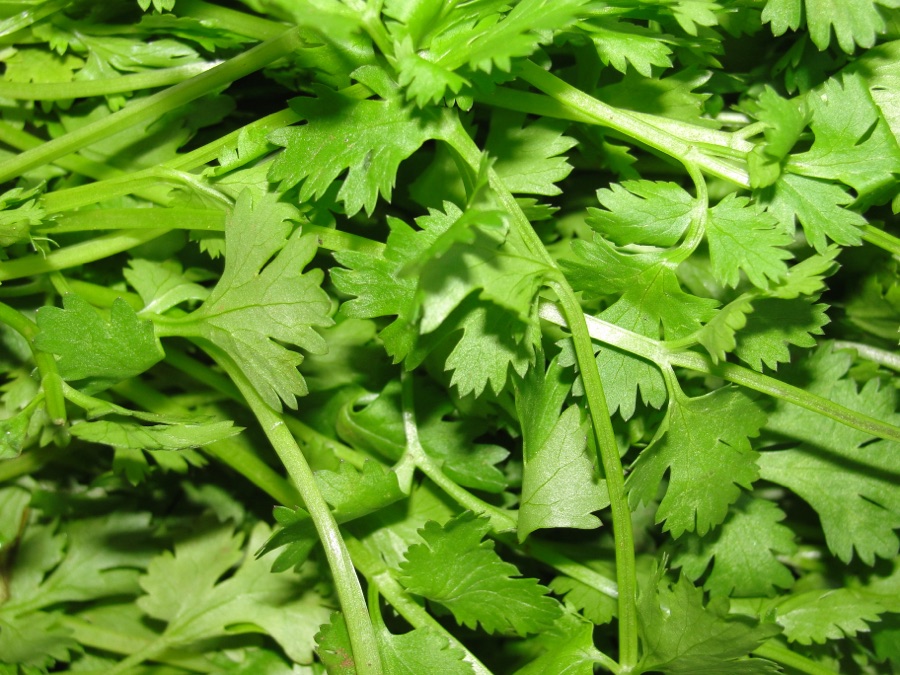
Photo: Thamizhpparithi Maari · CC BY-SA 3.0 · Wikimedia Commons

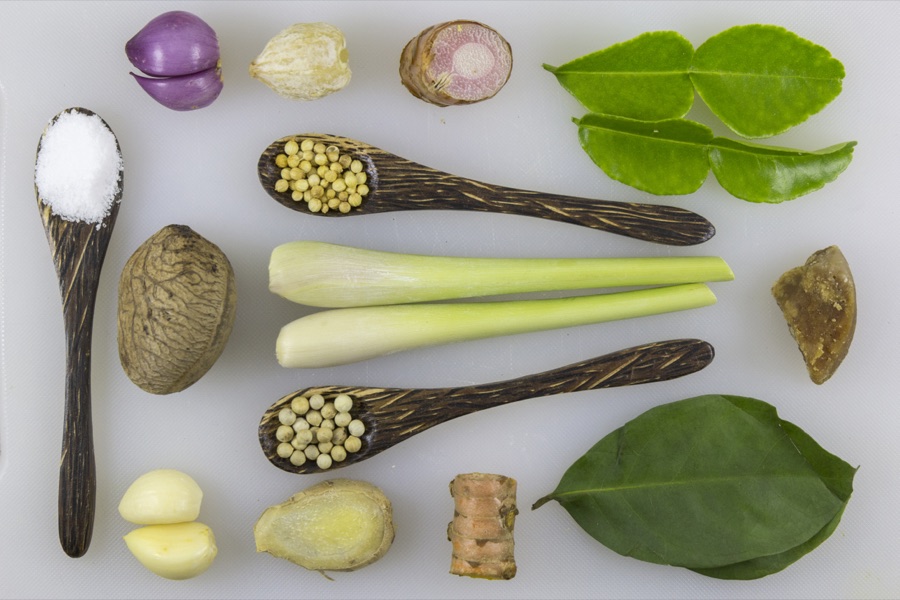
Photo: Herusutimbul · CC BY-SA 4.0 · Wikimedia Commons

Matra and anupana
AS THE CLASSICAL TEXTS AND THE API PRESCRIBE
| Churna | 3–6 g |
| Phanta | 50–100 ml |
| Anupana | Sharkara · Ushnodaka |
| Kala | Adhobhakta |
Classical trishnahara and deepana.
Reported from Sharangadhara Samhita and the Ayurvedic Pharmacopoeia of India. Laisha states what the texts prescribe; it does not recommend. No quantity here is adjusted for a particular person — not for agni, koshtha, bala, age, pregnancy, kidney or liver function, or anything already being taken.
Rasapanchaka
| Rasa | KashayaTiktaMadhuraKatu |
| Guna | LaghuSnigdha |
| Virya | Ushna |
| Vipaka | Madhura |
| Prabhava | The texts treat dhanyaka as tridoshahara, unusual for an ushna dravya, and attribute that to the madhura vipaka. |
| Doshakarma | Tridoshahara. |
Four rasa, with ushna virya but — and this is the examinable detail — madhura vipaka, which is why it is used where pitta must not be aggravated despite an ushna dravya being wanted.
Karma and part used
These are the actions the classical texts record. They are statements about what the tradition holds, and this library does not restate them as findings about a human body.
| Upayukta anga | Phala (the dried fruit) Patra (the fresh leaf) |
| Why it matters | The dried fruit is the dravya of the texts. The fresh leaf is eaten and is described as sheeta and rochana. |
Paryaya
Dhanyaka comes from dhanya, grain, because the dried fruit was stored and measured like grain in a household.
Names, by language
| English | Coriander |
| Sinhala | Koththamalli |
| Nepali | Dhaniya |
| Hindi | Dhania |
| Kannada | Kottambari |
| Tamil | Kothamalli |
| Telugu | Dhaniyalu |
| Malayalam | Kothamalli |
| Marathi | Dhane |
| Gujarati | Dhana |
| Bengali | Dhone |
| Punjabi | Dhania |
| Odia | Dhania |
| Urdu | Kishneez |
Classical references
Rasa, guna, virya, vipaka and karma are recorded as the classical texts give them, with the text and section named so a student can open the book and check. Where an exact chapter and verse could not be confirmed, this library names the section rather than inventing a number.
Formulations it appears in
| Dhanyaka Hima | A cold infusion named for the dravya. |
Adulterants and substitutes
Ground coriander is among the most bulked spices in the trade, commonly with husk, spent seed, bran and flour, because the powder is pale and forgiving of additions. Whole fruit is the safer purchase. Dyed material has also been found where a bright colour is wanted.
Identity
Matched live against the GBIF backbone on 28 September 2026 at 99 per cent confidence. The dried fruit and the fresh leaf are used differently and the texts describe the fruit; the leaf is food more than dravya.
A WAY TO REMEMBER IT
Coriandrum is from koris, a bedbug — the unripe fruit and the fresh leaf smell of it to a Greek nose. Sativum means sown, cultivated.
What the tradition holds
Dhanyaka is described in the Bhavaprakasha Nighantu and is recorded as tridoshahara and as acting on thirst. That is what the tradition holds and where it is written down, not a finding about what the fruit does in a body.
Constituents. The fruit carries an essential oil that is largely linalool. The fresh leaf carries aldehydes quite different from the fruit, which is why the two smell nothing alike.
What the evidence says
| Status | Traditional use is extensive and long recorded. Modern clinical evidence is limited. |
| Suggested | Health Canada publishes monographs covering Ayurvedic ingredients and permits specific traditional-use claims, which reflects a regulator accepting a documented tradition rather than a body of clinical trial evidence. |
| Not established | There is not enough good clinical evidence to establish an effect on any named health condition. Long traditional use is not a substitute for that evidence, and this library does not present it as one. |
| The honest gap | Published work usually studies the oil or an extract rather than the whole spice as eaten. |
Safety
Eaten daily and among the gentler dravya in this library, with no serious harm documented at culinary use. Allergy to coriander is recorded and can be significant in those sensitive to other Apiaceae such as fennel, celery and carrot. Anyone on medication, pregnant, or managing a diagnosed condition should speak to a doctor or a qualified practitioner first.
| Side effects | Allergic reaction in those sensitive to Apiaceae Increased sensitivity of skin to sunlight, reported with handling the plant |
| Contraindications | Known allergy to coriander or to other plants of the Apiaceae family. |
| Interactions | Antidiabetic medicines — a hypoglycaemic effect is reported. Sedatives — additive sedation reported in animal work. Antihypertensives and diuretics — additive effect reported. |
| Pregnancy and breastfeeding | Ordinary culinary use is long established. Medicinal quantities in pregnancy or breastfeeding should be discussed with a qualified practitioner first. |
Growing it
| Climate | Cool season; grown through the Indian winter. |
| Soil | Well-drained loam. |
| Planting | Sown direct; the fruit splits into two and both halves grow. |
| Harvest | Cut when the fruit turns straw-coloured, dried and threshed. Leaf is cut through the season. |
| What is not stated | This library has not verified region-specific spacing, variety and yield figures against a named agricultural authority for every growing country, and does not state them rather than guessing. |
Grown as a crop: how to grow coriander, from sowing to harvest, in Laisha's grow guides.
Last updated · How Laisha writes and checks its pages · Report a mistake
Go further with Laisha Smarter
US$10 a month · one price worldwide · cancel any time
- Ask Laisha about any herb or formulation — up to 1,000 questions a month
- The full study tracks with practice questions
- Reports and exports as real files