Jivaka
जीवक
Malaxis acuminata D.Don
Orchidaceae · Malaxis
Benefits & side effects
TRADITIONAL VIEW, WITH SAFETY LIMITS
What the texts say Jivaka does
- Jivaniya — vitalising, life-sustaining
- Brimhaniya — nourishing, builds body tissue
- Shukrajanana — promotes the production of semen
- Balya — strengthening
- Daha prashamana — relieves burning
What the evidence says. Jivaka has a long textual history but almost no modern study, and the few studies that exist seldom prove which orchid they tested.
Side effects and limits
What is sold as Jivaka is usually Vidari kand, by official substitution, and occasionally a Malaxis pseudobulb of uncertain species. The safety of the true orchid has never been studied, so nothing can be said about it from the classical name. The person taking a Jivaka-containing product is in practice taking whatever substitute the maker chose, and the label is the place to check. Anyone pregnant, on medication or managing a diagnosed condition should speak to a doctor or a qualified practitioner first.
Avoid or ask first: The sources used here record no absolute contraindication for Jivaka. That reflects how little the orchid has been studied, not proof that it is safe for everyone.
A traditional classification, not a recommendation. The full safety record is below.
Stands in 6 groups
- Jivaniya — Life-sustaining
- Shukrajanana — Generating semen
- Snehopaga — Adjuvant to oleation
- Vidarigandhadi — Vata disorders and the wasting states
- Kakolyadi — Pitta, bleeding, and the building of tissue
- Ashtavarga — The eight - the Himalayan group of the Jivaniya and Kakolyadi drugs
A Samhita can only be read forwards, from the group to its members. This is the same list read backwards.
Photographs
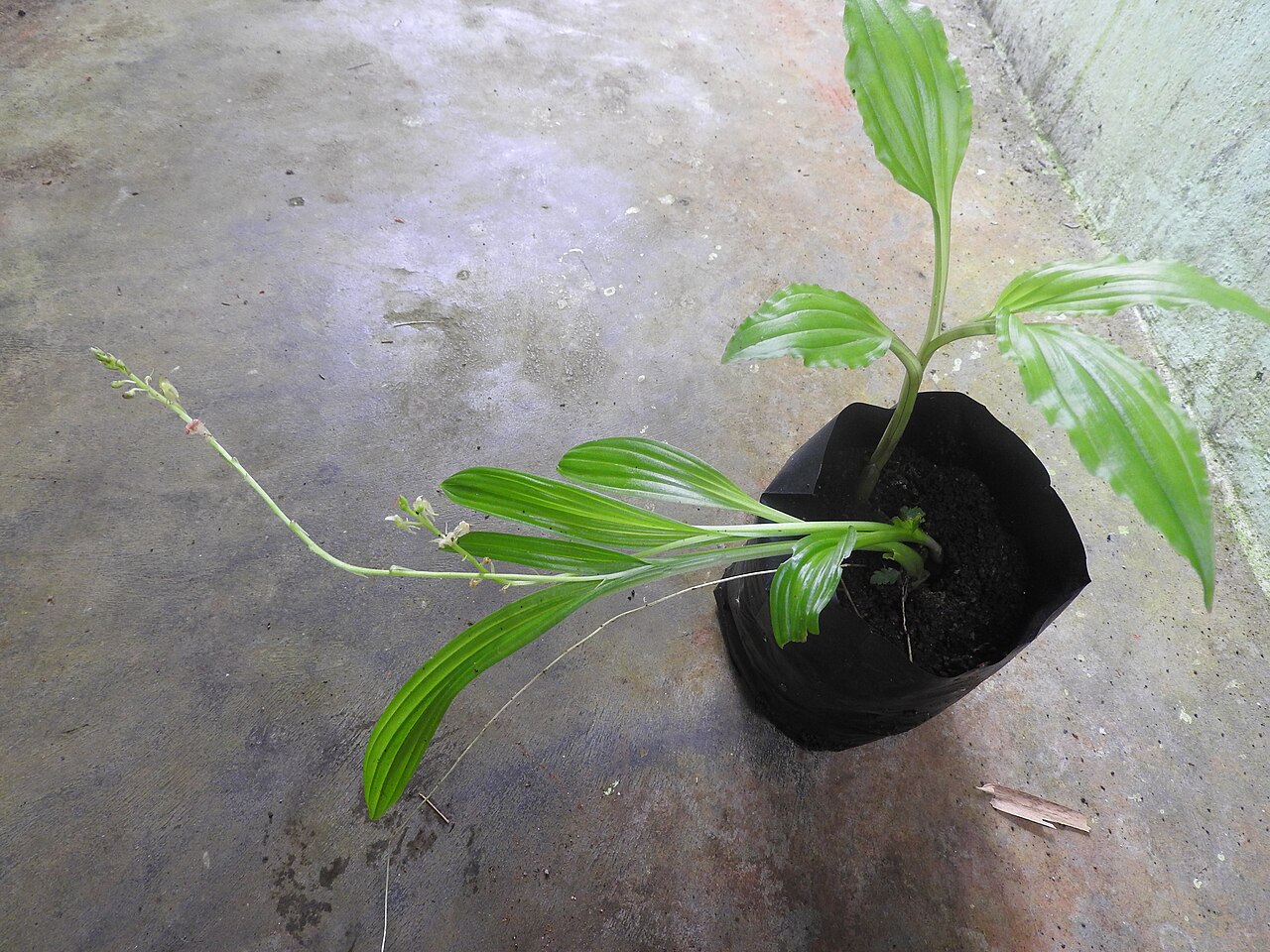
Photo: Yercaud-elango · CC BY 4.0 · Wikimedia Commons

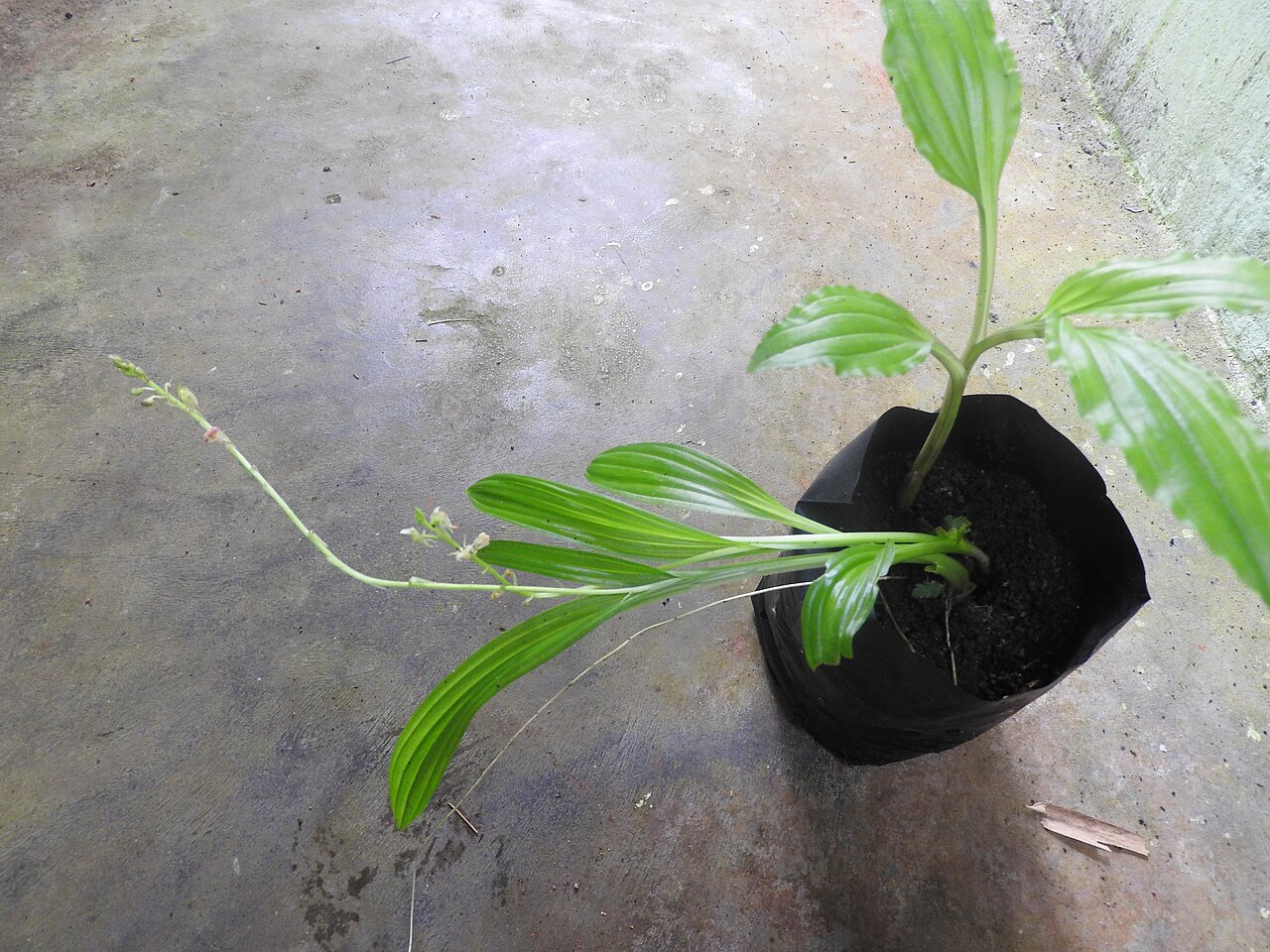
Photo: Yercaud-elango · CC BY 4.0 · Wikimedia Commons

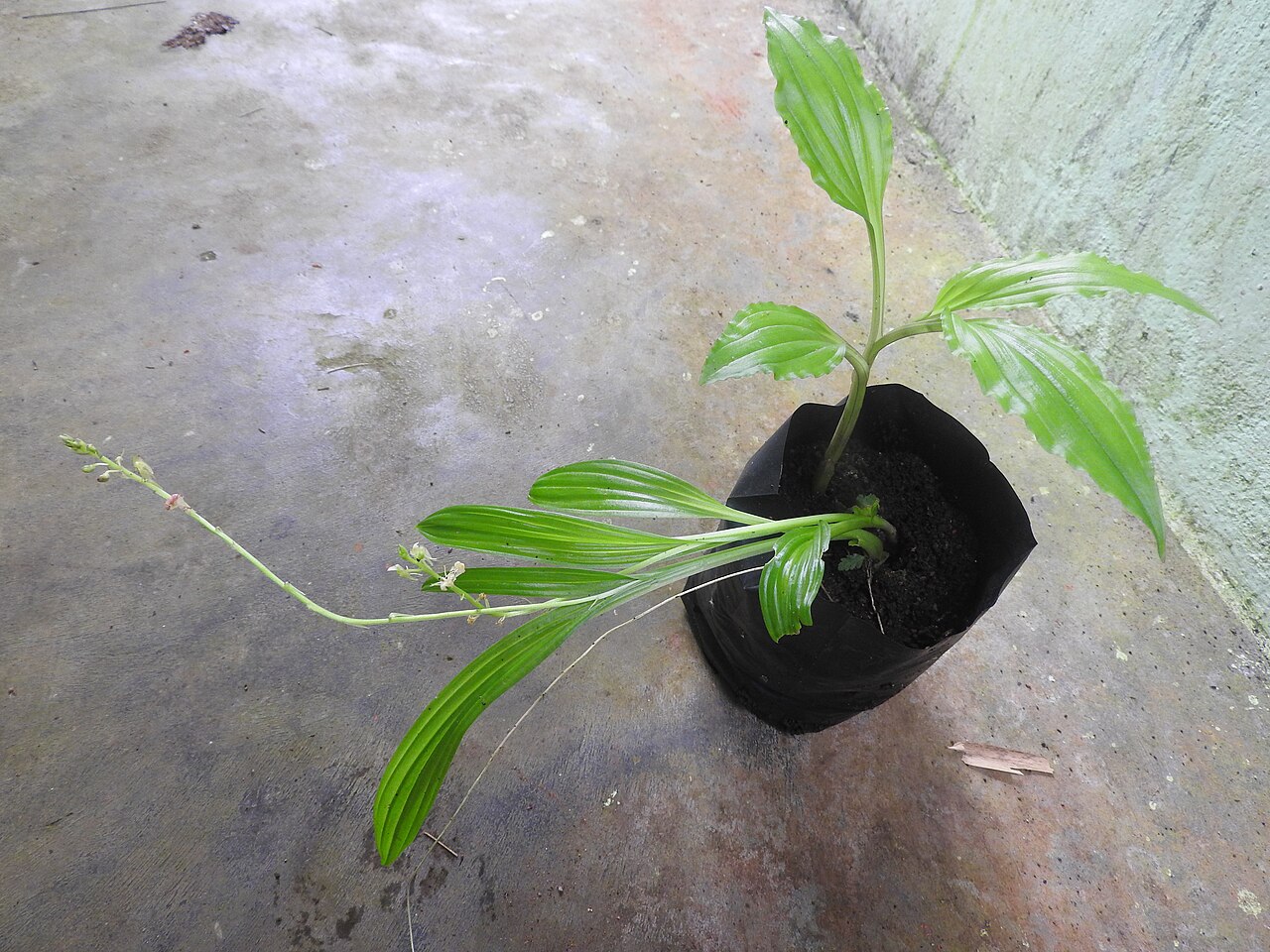
Photo: Yercaud-elango · CC BY 4.0 · Wikimedia Commons

Matra and anupana
AS THE CLASSICAL TEXTS AND THE API PRESCRIBE
| Churna | 3–6 g |
| Anupana | Ksheera · Madhu |
| Kala | Adhobhakta |
This is the churna matra the texts give the Ashtavarga members. For Jivaka the powder actually dispensed is normally Vidari kand, so the range in practice applies to the substitute.
Reported from Sharangadhara Samhita and the Ayurvedic Pharmacopoeia of India. Laisha states what the texts prescribe; it does not recommend. No quantity here is adjusted for a particular person — not for agni, koshtha, bala, age, pregnancy, kidney or liver function, or anything already being taken.
Rasapanchaka
| Rasa | Madhura |
| Guna | GuruSnigdha |
| Virya | Sheeta |
| Vipaka | Madhura |
| Prabhava | Jivaka gives its name to the Jivaniya, the life-sustaining group, and it heads Charaka's list of that group. It is also one of the Ashtavarga that Charaka actually names in his Chyavanaprasha recipe. |
| Doshakarma | Vatapittahara. |
The texts give Jivaka madhura rasa, guru and snigdha guna, sheeta virya and madhura vipaka. This is the profile of the Jivaniya plants as a whole, so it says more about the group Jivaka belongs to than about a tested sample of Malaxis.
Karma and part used
Jivaniya, brimhaniya, shukrajanana, balya and daha prashamana are the actions recorded for Jivaka. Charaka also counts it among the snehopaga, the aids to oleation. These describe the tradition's view and are not reported here as measured effects.
| Upayukta anga | Kanda (the pseudobulb) |
| Why it matters | The pseudobulb, the swollen stem base of the orchid. A dried, shrivelled pseudobulb of one Malaxis looks very much like that of another, so the part itself offers no check on which species was collected. |
Paryaya
Kurcha means a brush or tuft, Shringi something horned or pointed, Hrasva the short one, and Madhura the sweet one. The first three read as attempts to describe the look of the plant; Madhura only repeats its taste. None of them is specific enough to pick out a single orchid.
Names, by language
| English | — |
| Hindi | Jivak |
| Kannada | Jivaka |
| Tamil | Jivakam |
| Telugu | Jivakamu |
| Malayalam | Jivakam |
| Marathi | Jivak |
| Gujarati | Jivak |
| Bengali | Jivak |
| Odia | Jibaka |
| Urdu | Jivak |
Classical references
Formulations it appears in
| Chyavanaprasha | Charaka's recipe (Chikitsasthana 1.1, verses 62–74) names Jivaka directly, next to Rishabhaka and Riddhi. It also names Vidari separately, the plant later accepted as Jivaka's stand-in, so a modern product using Vidari for Jivaka ends up with Vidari twice. |
| Jivaniya Gana Kwatha | Jivaka is the first of the ten drugs of Charaka's Jivaniya group, and the group takes its name from it. |
Adulterants and substitutes
Jivaka and Rishabhaka are a pair and are replaced together. The Ayurvedic Pharmacopoeia of India, Part II, lists Vidari kand (Pueraria tuberosa) as their official substitute. When genuine orchid material is traded, a pseudobulb of the wrong Malaxis is a common error, and the swapped names in the reference lists make that error easy to commit even in good faith.
Identity
Most current Indian work takes Jivaka to be Malaxis acuminata, a small terrestrial orchid now often filed under the genus Crepidium. The agreement is thinner than it looks. The Charak Samhita Online edition gives Microstylis wallichii for both Jivaka and Rishabhaka, and in the National Medicinal Plants Board listing summarised by Virk and colleagues the two Malaxis names sit the other way round, so that Malaxis acuminata is Rishabhaka. Whichever orchid is meant, it grows slowly from a pseudobulb and is hard to raise from seed, which is why the wild stock has not come back.
A WAY TO REMEMBER IT
Malaxis comes from the Greek malaxis, softening, a reference to the soft leaves; acuminata means tapering to a point, for the leaf tip. The Sanskrit Jivaka is from jiv, to live: the giver of life. The whole Jivaniya group is named after it.
What the tradition holds
Jivaka is remembered above all as the drug that gives the Jivaniya group its name. Charaka puts it first in that group and names it again in his Chyavanaprasha. The texts record it for strength and for sustaining life, the classic role of the sweet, cooling Himalayan drugs. What the texts do not give is a description detailed enough to tell a modern botanist which orchid was meant.
What the evidence says
| Status | Jivaka has a long textual history but almost no modern study, and the few studies that exist seldom prove which orchid they tested. |
| Suggested | What has been published on Jivaka mostly concerns its identity, its scarcity in the wild and the efforts to propagate Malaxis in tissue culture. These are records of a supply problem. They do not show any effect in people. |
| Not established | No adequate clinical trial has tested Malaxis acuminata, or any other candidate for Jivaka, for any named condition. The traditional reputation of the Jivaniya group does not fill that gap. |
| The honest gap | Virk and colleagues describe the Ashtavarga as suffering a triple problem: doubtful identity, routine substitution and no agreed chemical marker. For Jivaka that means a study of a pseudobulb labelled Jivaka may have tested Rishabhaka, another Malaxis, or Vidari. |
Safety
What is sold as Jivaka is usually Vidari kand, by official substitution, and occasionally a Malaxis pseudobulb of uncertain species. The safety of the true orchid has never been studied, so nothing can be said about it from the classical name. The person taking a Jivaka-containing product is in practice taking whatever substitute the maker chose, and the label is the place to check. Anyone pregnant, on medication or managing a diagnosed condition should speak to a doctor or a qualified practitioner first.
| Contraindications | The sources used here record no absolute contraindication for Jivaka. That reflects how little the orchid has been studied, not proof that it is safe for everyone. |
| Interactions | No specific drug interaction is documented for Jivaka. Since the orchid itself has hardly been studied, and the article sold is usually a substitute, the absence of a report tells very little. |
| Pregnancy and breastfeeding | Not established. With the source species disputed and Vidari usually supplied in its place, there is no Jivaka-specific information on pregnancy or breastfeeding to give. |
Last updated · How Laisha writes and checks its pages · Report a mistake
Go further with Laisha Smarter
US$10 a month · one price worldwide · cancel any time
- Ask Laisha about any herb or formulation — up to 1,000 questions a month
- The full study tracks with practice questions
- Reports and exports as real files