Kapittha
कपित्थ
Limonia acidissima L.
Rutaceae · Limonia
Benefits & side effects
TRADITIONAL VIEW, WITH SAFETY LIMITS
Hindi name: Kaith
What the texts say Kapittha does
- Grahi — digestive that absorbs excess fluid and binds the stool
- Chhardighna — relieves vomiting
- Hikkanigrahana — relieves hiccups
- Deepana — kindles digestion (appetiser)
- Vishaghna — antidote (against poison)
What the evidence says. Traditional use is long recorded. Modern clinical evidence is limited.
Side effects and limits
- Constipation with the unripe fruit in quantity
- Hoarseness or throat irritation from the raw fruit, as the classical text itself notes
Avoid or ask first: No absolute contraindication is documented here. This is written deliberately rather than left blank.
A traditional classification, not a recommendation. The full safety record is below.
Photographs
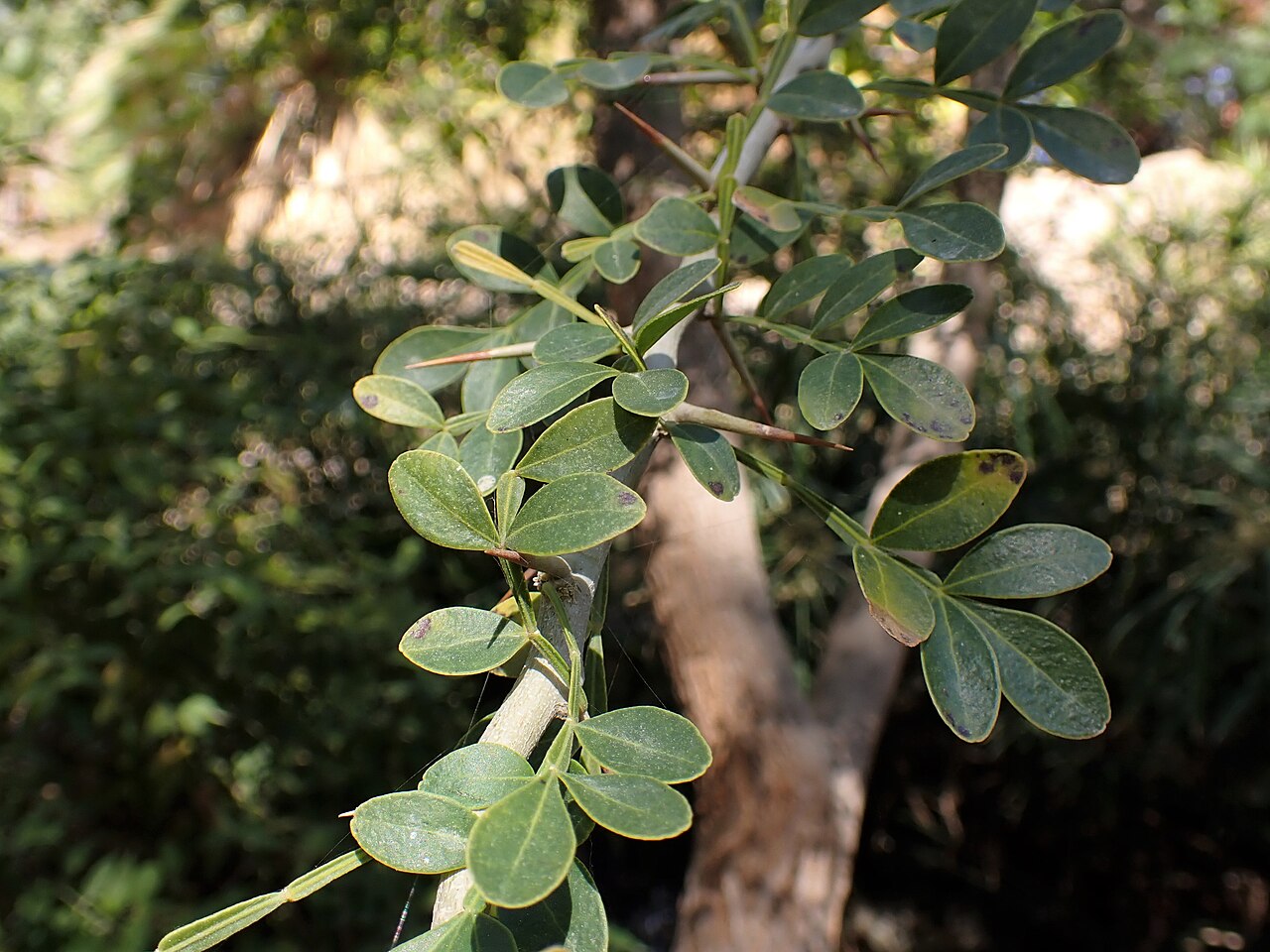
Photo: Krzysztof Ziarnek, Kenraiz · CC BY-SA 4.0 · Wikimedia Commons

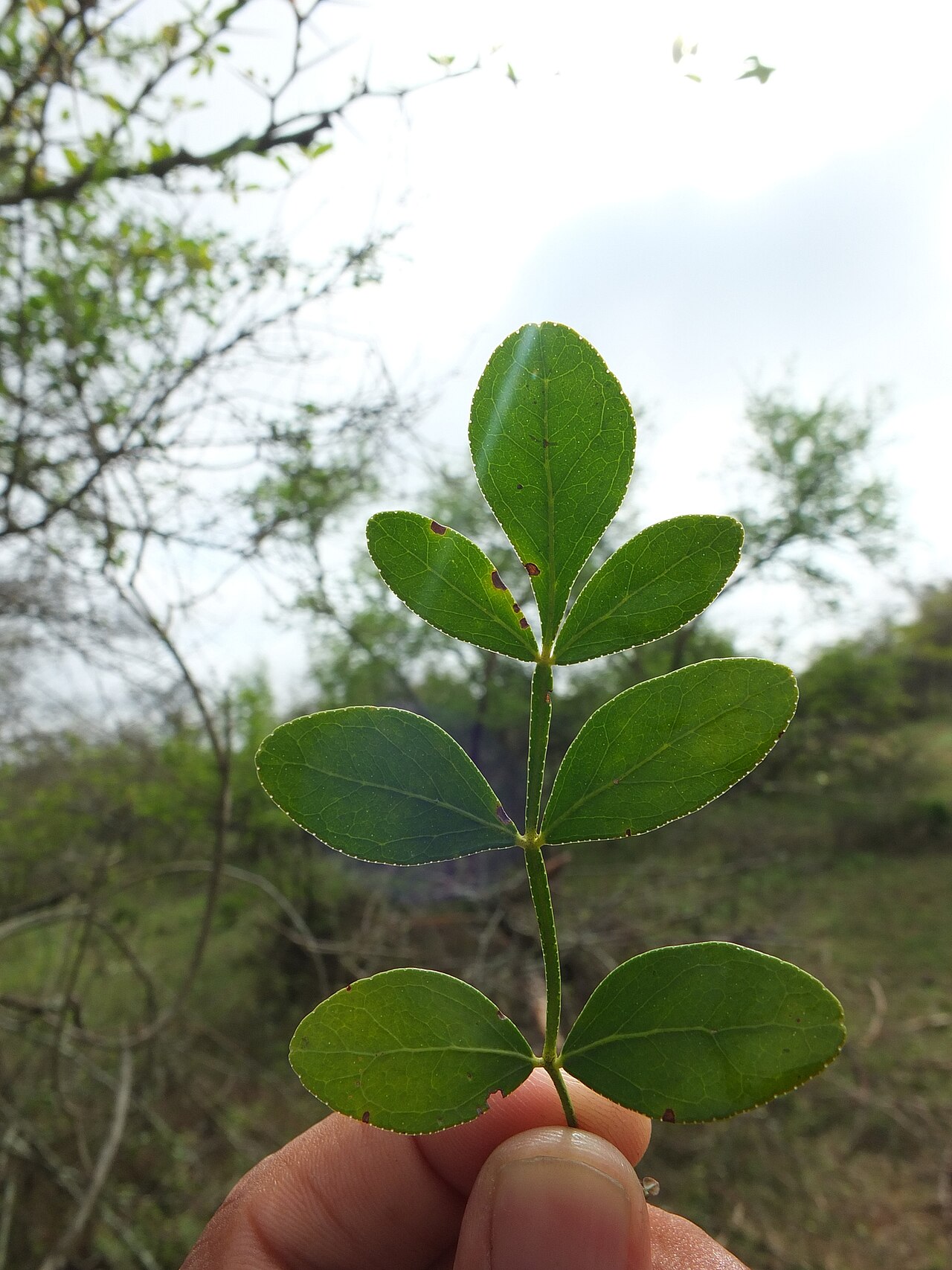
Photo: Siddarth Machado · CC BY 4.0 · Wikimedia Commons

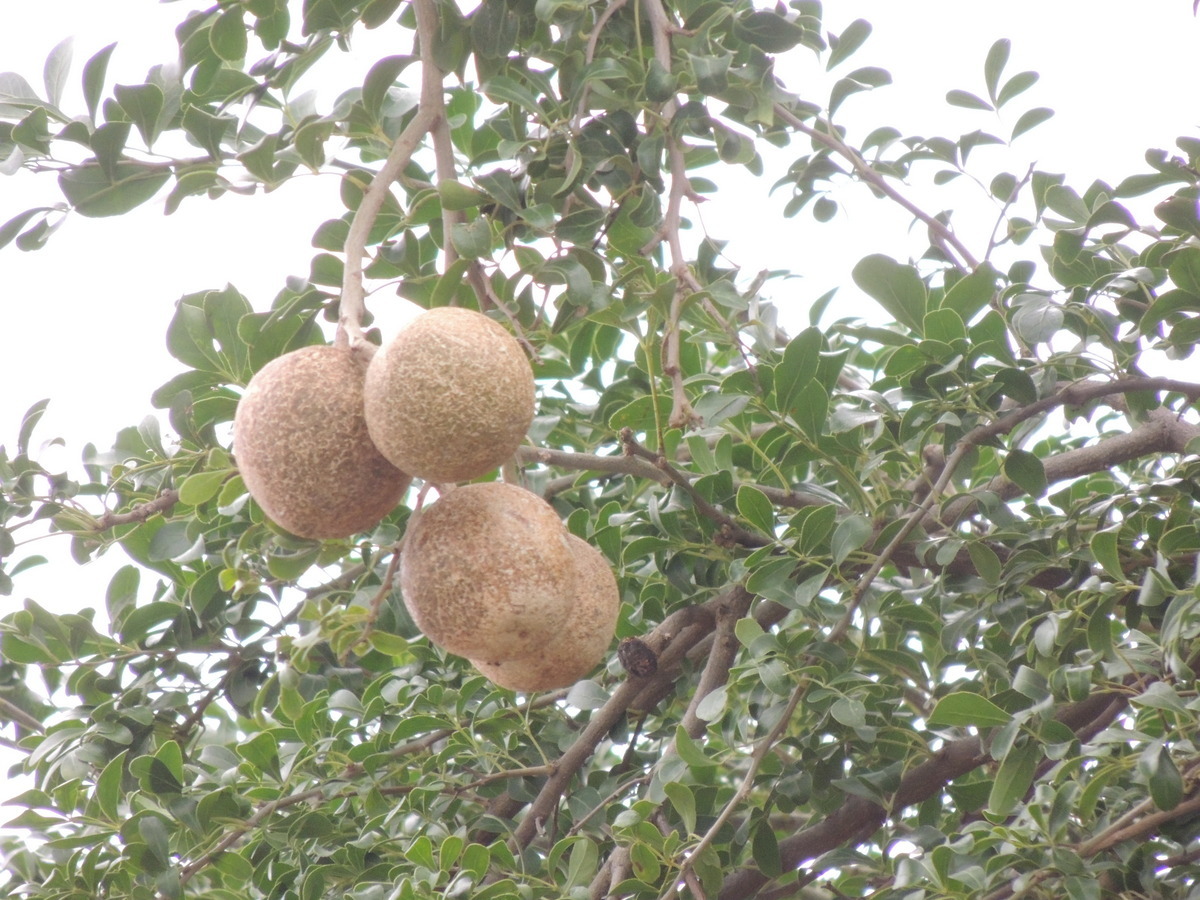
Photo: Vijay Barve · CC BY 4.0 · Wikimedia Commons

Matra and anupana
AS THE CLASSICAL TEXTS AND THE API PRESCRIBE
| Churna of the unripe fruit | 3–6 g |
| Swarasa | 10–20 ml |
| Anupana | Madhu · Takra |
| Kala | Adhobhakta |
Classical measures for the unripe fruit as a powder and as expressed juice, used for the grahi action; the ripe fruit is eaten as food and is not dosed.
Reported from Sharangadhara Samhita and the Ayurvedic Pharmacopoeia of India. Laisha states what the texts prescribe; it does not recommend. No quantity here is adjusted for a particular person — not for agni, koshtha, bala, age, pregnancy, kidney or liver function, or anything already being taken.
Rasapanchaka
| Rasa | AmlaKashayaMadhura |
| Guna | Guru |
| Virya | Sheeta |
| Vipaka | Amla |
| Prabhava | Vishaghna is the action Charaka gives to both states of the fruit: the raw fruit spoils the voice yet counters poison, and the ripe fruit is also described as an antidote. |
| Doshakarma | Kaphavatahara in the ripe fruit; the unripe fruit is grahi and can increase vata. |
Amla, kashaya and madhura with sheeta virya and amla vipaka in the unripe fruit; the ripe fruit is madhura.
Karma and part used
Grahi and vishaghna rest on Charaka's own description of the fruit in Sutrasthana 27. The other actions listed come from the later nighantu tradition and have not each been traced to a verse here. Kapittha is not among Charaka's fifty groups of ten in Sutrasthana 4. All are classical categories, not findings about a body.
| Upayukta anga | Phala (the fruit pulp) |
| Why it matters | The fruit pulp. The texts separate the unripe fruit, astringent and used for the grahi action, from the ripe fruit, which is mainly a food. Chemistry follows the same line: a 2026 ripening study found acidity and vitamin C falling, and sugars and pectin rising, from unripe to fully ripe. |
Paryaya
Kapipriya, dear to monkeys, and Kapittha itself both point to the monkey, often said to be the animal best able to get into the hard shell. Dadhittha contains dadhi, curd, usually read as a nod to the sour pulp. Grahi as a synonym simply names the action of the unripe fruit, and Pushpaphala is a descriptive name shared loosely with other fruiting trees.
Names, by language
| English | Wood apple |
| Hindi | Kaith |
| Kannada | Belada hannu |
| Tamil | Vila palam |
| Telugu | Velaga pandu |
| Malayalam | Vilangakka |
| Marathi | Kavath |
| Gujarati | Kothu |
| Bengali | Kathbel |
| Odia | Kaitha |
| Urdu | Kaith |
Classical references
Formulations it appears in
| Kapitthashtaka Churna | Kapittha pulp is the lead ingredient and gives the powder its name. |
| Dadimashtaka Churna | An ingredient in some recensions. |
Adulterants and substitutes
Bael is the confusion that matters. Both are called wood apple in English, both belong to the Rutaceae and the names are mixed up in several markets, but Bilva and Kapittha are used for overlapping, not identical, purposes. The shells differ: kapittha is woody, grey and rough, while bael is smoother and turns yellow as it ripens. Powdered pulp loses those clues entirely.
Identity
Limonia acidissima L., family Rutaceae, also published as Feronia limonia and Feronia elephantum; all three names appear in Indian literature for one tree. It is a slow-growing, thorny tree of dry deciduous country in South Asia, and the fruit is a hard-shelled ball whose brown, sour-sweet pulp is eaten fresh, in chutneys and in drinks. The name wood apple causes confusion with bael, a different tree in the same family.
A WAY TO REMEMBER IT
Limonia from the lemon, for the family. Acidissima, most acid. Kapittha is kapi, a monkey, and ttha, standing - the tree the monkeys sit in, and the only animal that reliably gets the fruit open.
What the tradition holds
Charaka describes kapittha among the fruits in his chapter on food and drink, separating the raw fruit, astringent and harmful to the voice yet anti-poison, from the ripe, which is relishing, heavy and also anti-poison. Kapitthashtaka Churna takes its name from it. This is what the tradition records and where.
What the evidence says
| Status | Traditional use is long recorded. Modern clinical evidence is limited. |
| Suggested | The fruit holds a pharmacopoeial monograph in India, an accepted identity and quality standard for the article. Separately, an ICAR study of three ripening stages measured falling acidity and vitamin C and rising sugars and pectin, with caffeic acid the main phenolic throughout. That gives the textual ripe-unripe distinction a measurable chemical basis, but neither standard nor chemistry is evidence of an effect in a body. |
| Not established | There is not enough good clinical evidence to establish an effect on any named health condition. Long traditional use is not a substitute for that evidence, and this library does not present it as one. |
| The honest gap | Published work on this dravya rarely records the origin or the standard of the material tested, so results cannot be attributed to a defined article. |
Safety
Kapittha is an everyday fruit across South Asia and no significant toxicity is recorded. The unripe fruit is strongly astringent and, eaten in quantity, constipating, and Charaka himself warns that the raw fruit is bad for the voice. Anyone pregnant, taking regular medicines or managing a diagnosed condition should still speak to a doctor or qualified practitioner before medicinal use.
| Side effects | Constipation with the unripe fruit in quantity Hoarseness or throat irritation from the raw fruit, as the classical text itself notes |
| Contraindications | No absolute contraindication is documented here. This is written deliberately rather than left blank. |
| Interactions | No specific drug interaction is documented for this dravya. That is the honest state of the evidence, not a statement that none exists — most Ayurvedic dravya have never been studied for interaction with modern medicines at all. |
| Pregnancy and breastfeeding | An ordinary food fruit with no documented harm in pregnancy. The medicinal use of the unripe fruit has not been formally assessed. |
Last updated · How Laisha writes and checks its pages · Report a mistake
Go further with Laisha Smarter
US$10 a month · one price worldwide · cancel any time
- Ask Laisha about any herb or formulation — up to 1,000 questions a month
- The full study tracks with practice questions
- Reports and exports as real files