Meda
मेदा
Polygonatum verticillatum (L.) All.
Asparagaceae · Polygonatum
Benefits & side effects
TRADITIONAL VIEW, WITH SAFETY LIMITS
What the texts say Meda does
- Jivaniya — vitalising, life-sustaining
- Brimhaniya — nourishing, builds body tissue
- Shukrajanana — promotes the production of semen
- Balya — strengthening
- Stanyajanana — promotes breast milk
What the evidence says. Meda is long recorded and very little studied clinically. Laboratory work on Polygonatum verticillatum exists but seldom ties the material to the classical drug.
Side effects and limits
A product listing Meda usually contains Shatavari root, the official substitute; the Himalayan Polygonatum rhizome is rarely used. The true rhizome has no published human safety record. What applies in practice is the safety of the substitute, so read the label. Anyone pregnant, on medication or managing a diagnosed condition should speak to a doctor or a qualified practitioner first.
Avoid or ask first: No absolute contraindication for Meda is documented in the sources used. That reflects limited study, not a demonstration of safety.
A traditional classification, not a recommendation. The full safety record is below.
Stands in 6 groups
- Jivaniya — Life-sustaining
- Shukrajanana — Generating semen
- Snehopaga — Adjuvant to oleation
- Kakolyadi — Pitta, bleeding, and the building of tissue
- Ashtavarga — The eight - the Himalayan group of the Jivaniya and Kakolyadi drugs
- Panchatikta — The five bitters (named there as Vasa)
A Samhita can only be read forwards, from the group to its members. This is the same list read backwards.
Photographs
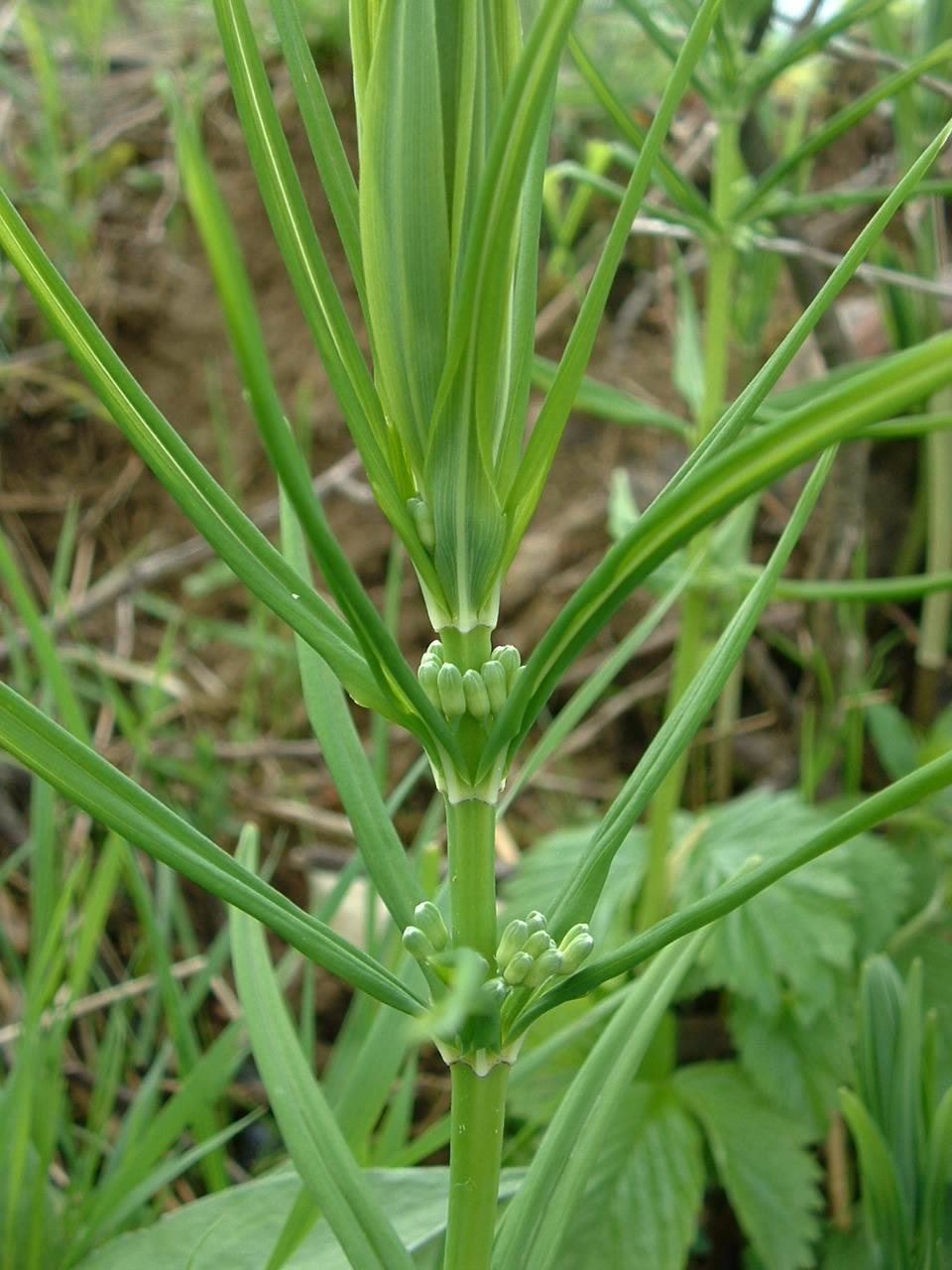
Photo: Jeffdelonge · CC BY-SA 3.0 · Wikimedia Commons

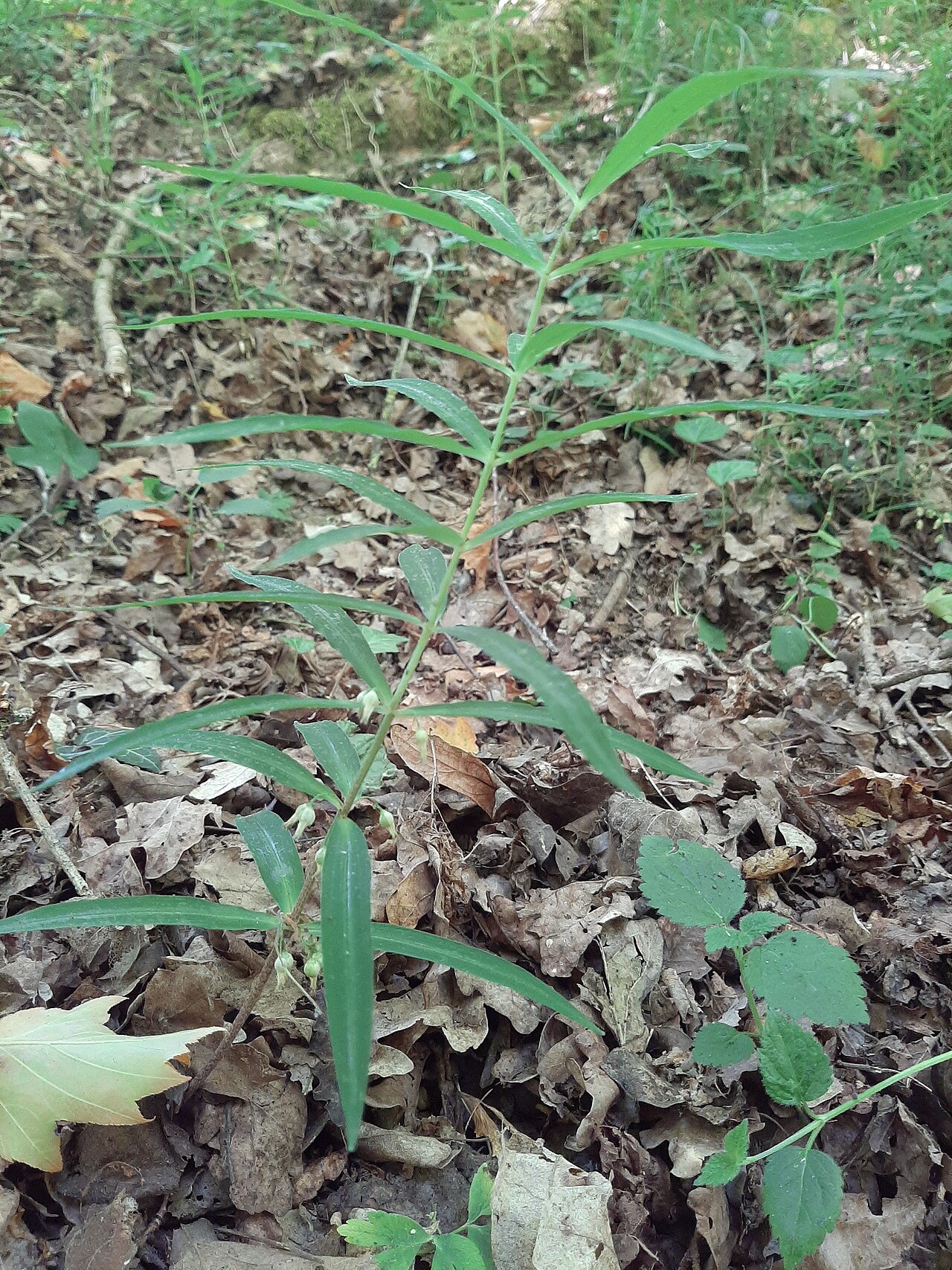
Photo: Shi Annan · CC BY-SA 4.0 · Wikimedia Commons

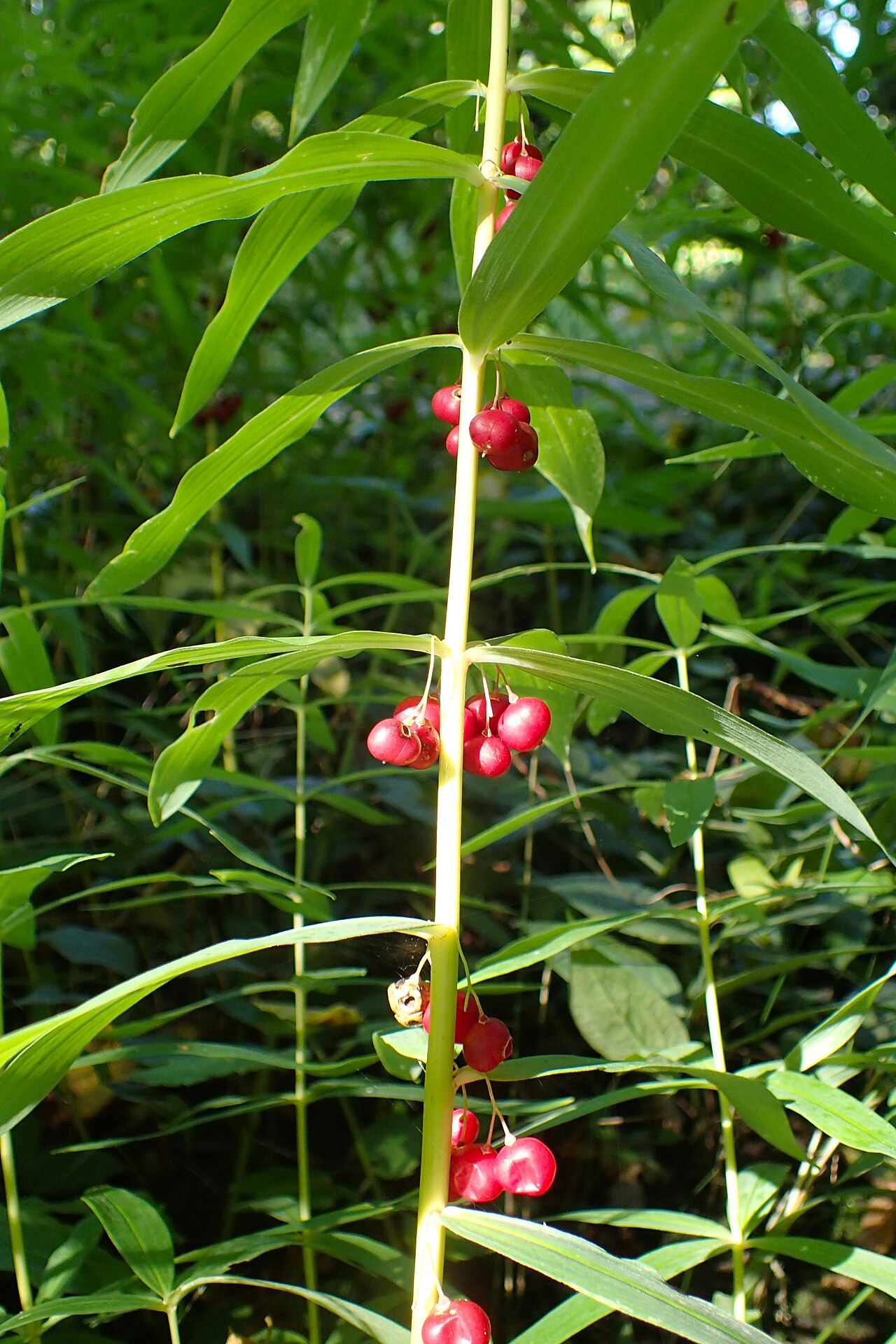
Photo: Krzysztof Ziarnek, Kenraiz · CC BY-SA 4.0 · Wikimedia Commons

Matra and anupana
AS THE CLASSICAL TEXTS AND THE API PRESCRIBE
| Churna | 3–6 g |
| Anupana | Ksheera · Madhu |
| Kala | Adhobhakta |
The Ashtavarga churna range recorded by the texts. Since Meda is normally dispensed as Shatavari, the range is applied to that root in practice.
Reported from Sharangadhara Samhita and the Ayurvedic Pharmacopoeia of India. Laisha states what the texts prescribe; it does not recommend. No quantity here is adjusted for a particular person — not for agni, koshtha, bala, age, pregnancy, kidney or liver function, or anything already being taken.
Rasapanchaka
| Rasa | Madhura |
| Guna | GuruSnigdha |
| Virya | Sheeta |
| Vipaka | Madhura |
| Prabhava | Meda is the Ashtavarga member whose name means fat or marrow. Charaka names it in his Chyavanaprasha recipe, while leaving out its partner Mahameda. |
| Doshakarma | Vatapittahara. |
The tradition gives Meda madhura rasa, guru and snigdha guna, sheeta virya and madhura vipaka. The heavy, oily qualities fit the meaning of its name, fat, but they are shared by the whole Ashtavarga.
Karma and part used
Jivaniya, brimhaniya, shukrajanana, balya and stanyajanana are recorded for Meda. Charaka also places it among the snehopaga, the aids to oleation, which suits a drug named after fat. Reported here as tradition, not as fact about the body.
| Upayukta anga | Kanda (the rhizome) |
| Why it matters | The creeping, jointed rhizome. The joints give Polygonatum its 'many knees' name. Fresh rhizome is fleshy and white; dried slices are hard to tell from those of other Polygonatum species. |
Paryaya
Medini and Vasa both mean fat, echoing the name Meda itself. Manichhidra, 'jewel with a hole', is often read as a reference to the scars left on the rhizome by old stems. Shalyaparni names the leaf. Mahameda carries a similar synonym, Vasuchhidra.
Names, by language
| English | — |
| Hindi | Meda |
| Kannada | Meda |
| Tamil | Medai |
| Telugu | Meda |
| Malayalam | Meda |
| Marathi | Meda |
| Gujarati | Meda |
| Bengali | Meda |
| Odia | Meda |
| Urdu | Meda |
Classical references
Formulations it appears in
| Chyavanaprasha | Charaka names Meda in the last verse of his ingredient list (Chikitsasthana 1.1, verses 62–74), between Punarnava and Ela. Modern products usually use Shatavari for it. |
| Jivaniya Gana Kwatha | Meda is one of the ten drugs of the Jivaniya group. |
Adulterants and substitutes
Shatavari root (Asparagus racemosus) is the official substitute for both Meda and Mahameda in the Ayurvedic Pharmacopoeia of India, Part II. The genuine rhizome is collected from the Himalaya faster than it regrows, and in some hill areas the young shoots and rhizome are also eaten, so medicinal and food demand compete for the same plants.
Identity
Meda is usually identified as Polygonatum verticillatum, the whorled Solomon's seal of the Himalaya, and Mahameda as Polygonatum cirrhifolium. The National Medicinal Plants Board listing summarised by Virk and colleagues reverses the pair, and Charak Samhita Online gives Polygonatum verticillatum for both. In everyday practice the question is often moot, because Shatavari is dispensed in Meda's place.
A WAY TO REMEMBER IT
Polygonatum combines the Greek poly, many, and gonu, knee, for the jointed rhizome; verticillatum describes leaves set in whorls round the stem. Meda is Sanskrit for fat or marrow, the tissue the texts hold the drug to nourish.
What the tradition holds
Meda is named for fat and marrow, and the texts use it in that spirit: as a heavy, unctuous, building drug, counted among the aids to oleation as well as the life-sustaining group. Charaka names it in his Chyavanaprasha. It is rarely used on its own and is almost always thought of with Mahameda.
What the evidence says
| Status | Meda is long recorded and very little studied clinically. Laboratory work on Polygonatum verticillatum exists but seldom ties the material to the classical drug. |
| Suggested | Published work on Meda covers its identity, the pressure on wild Polygonatum and attempts at cultivation, plus some laboratory studies of the rhizome. None of this establishes an effect in people. |
| Not established | No adequate human trial has tested Meda for any named condition, and the stanyajanana action has not been put to a proper test. |
| The honest gap | With two Polygonatum species swapped between reference lists and Shatavari supplied in practice, a paper on 'Meda' may concern either rhizome or the substitute. No chemical marker has been agreed to check. |
Safety
A product listing Meda usually contains Shatavari root, the official substitute; the Himalayan Polygonatum rhizome is rarely used. The true rhizome has no published human safety record. What applies in practice is the safety of the substitute, so read the label. Anyone pregnant, on medication or managing a diagnosed condition should speak to a doctor or a qualified practitioner first.
| Contraindications | No absolute contraindication for Meda is documented in the sources used. That reflects limited study, not a demonstration of safety. |
| Interactions | No specific drug interaction is documented for Meda. Neither the rhizome nor the substitute has been studied as Meda, so the lack of reports is not reassurance. |
| Pregnancy and breastfeeding | Not established for the Polygonatum rhizome. The traditional stanyajanana action is not evidence of safety while breastfeeding. |
Last updated · How Laisha writes and checks its pages · Report a mistake
Go further with Laisha Smarter
US$10 a month · one price worldwide · cancel any time
- Ask Laisha about any herb or formulation — up to 1,000 questions a month
- The full study tracks with practice questions
- Reports and exports as real files