Patola
पटोल
Trichosanthes dioica Roxb.
Cucurbitaceae · Trichosanthes
Benefits & side effects
TRADITIONAL VIEW, WITH SAFETY LIMITS
Hindi name: Parwal
What the texts say Patola does
- Deepana — kindles digestion (appetiser)
- Pachana — digests ama (digestive)
- Kushthaghna — used in skin disease
- Jwaraghna — used in fever
- Krimighna — anthelmintic (against worms)
- Hridya — good for the heart
What the evidence says. Traditional use is long recorded. Modern clinical evidence is limited.
Side effects and limits
The fruit is an ordinary vegetable eaten in quantity across eastern India. The leaf is a bitter medicinal article and is a different thing. No significant toxicity is recorded for either. Anyone pregnant, on medication or managing a diagnosed condition should speak to a doctor or a qualified practitioner first.
Avoid or ask first: No absolute contraindication is documented here. This is written deliberately rather than left blank.
A traditional classification, not a recommendation. The full safety record is below.
Stands in 5 groups
- Trptighna — Relieving cloying satiety
- Trishnanigrahana — Quenching thirst
- Aragvadhadi — Kapha, poisoning, and wound cleansing
- Patoladi — Pitta, Kapha, fever, and vomiting
- Panchatikta — The five bitters
A Samhita can only be read forwards, from the group to its members. This is the same list read backwards.
Photographs
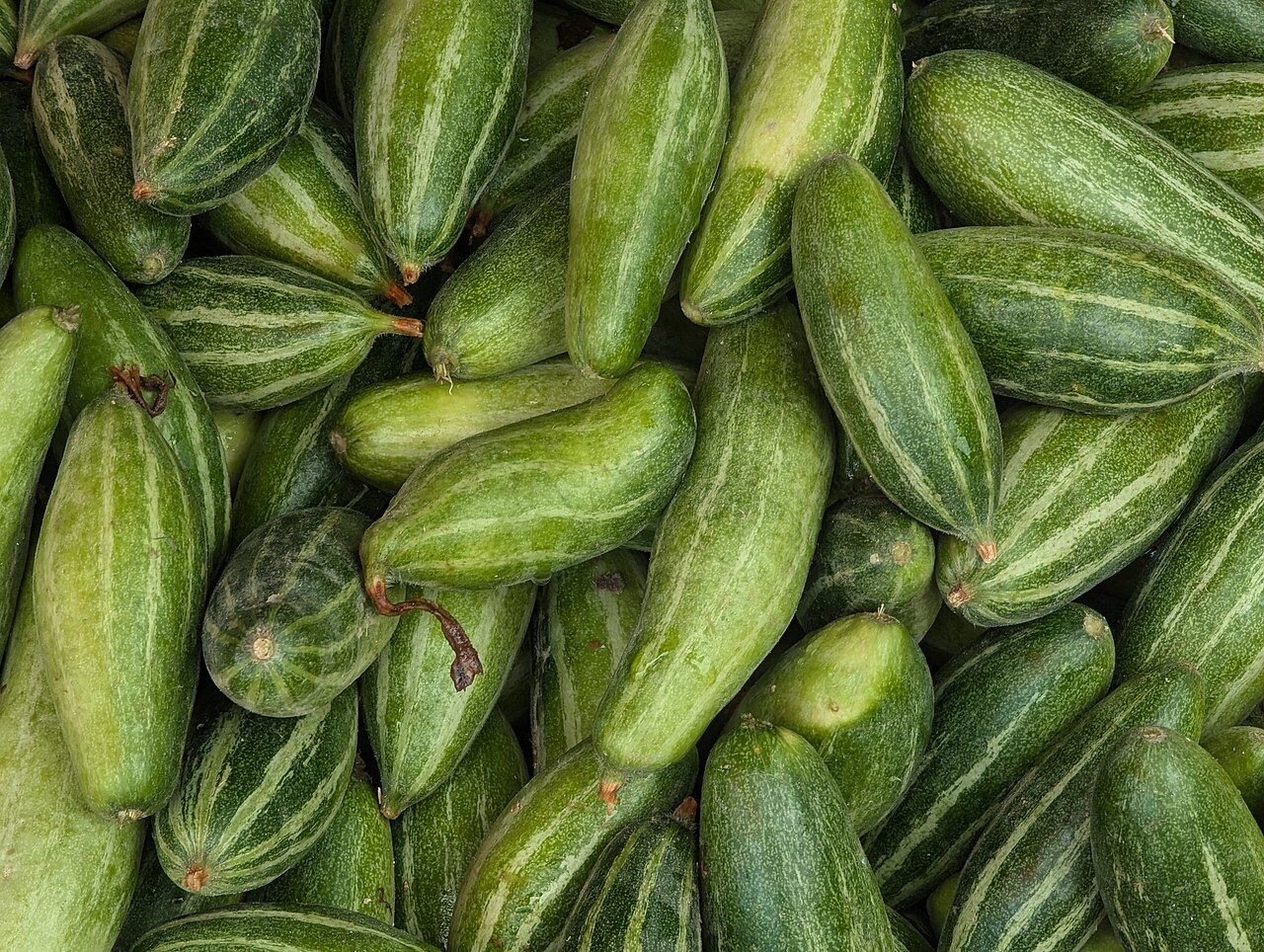
Photo: Rocky Masum · CC BY-SA 4.0 · Wikimedia Commons

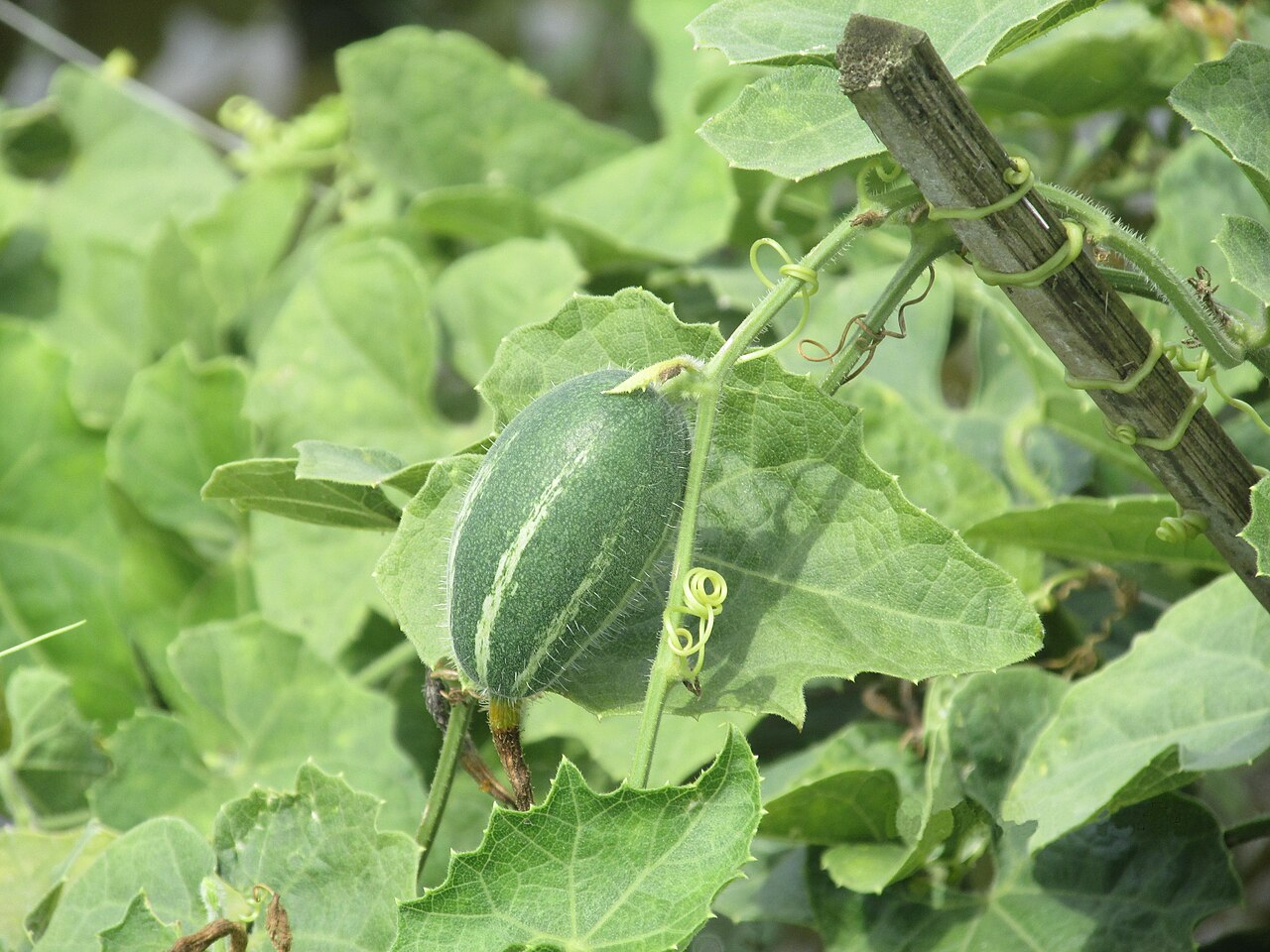
Photo: Engr.Raju · CC BY-SA 4.0 · Wikimedia Commons

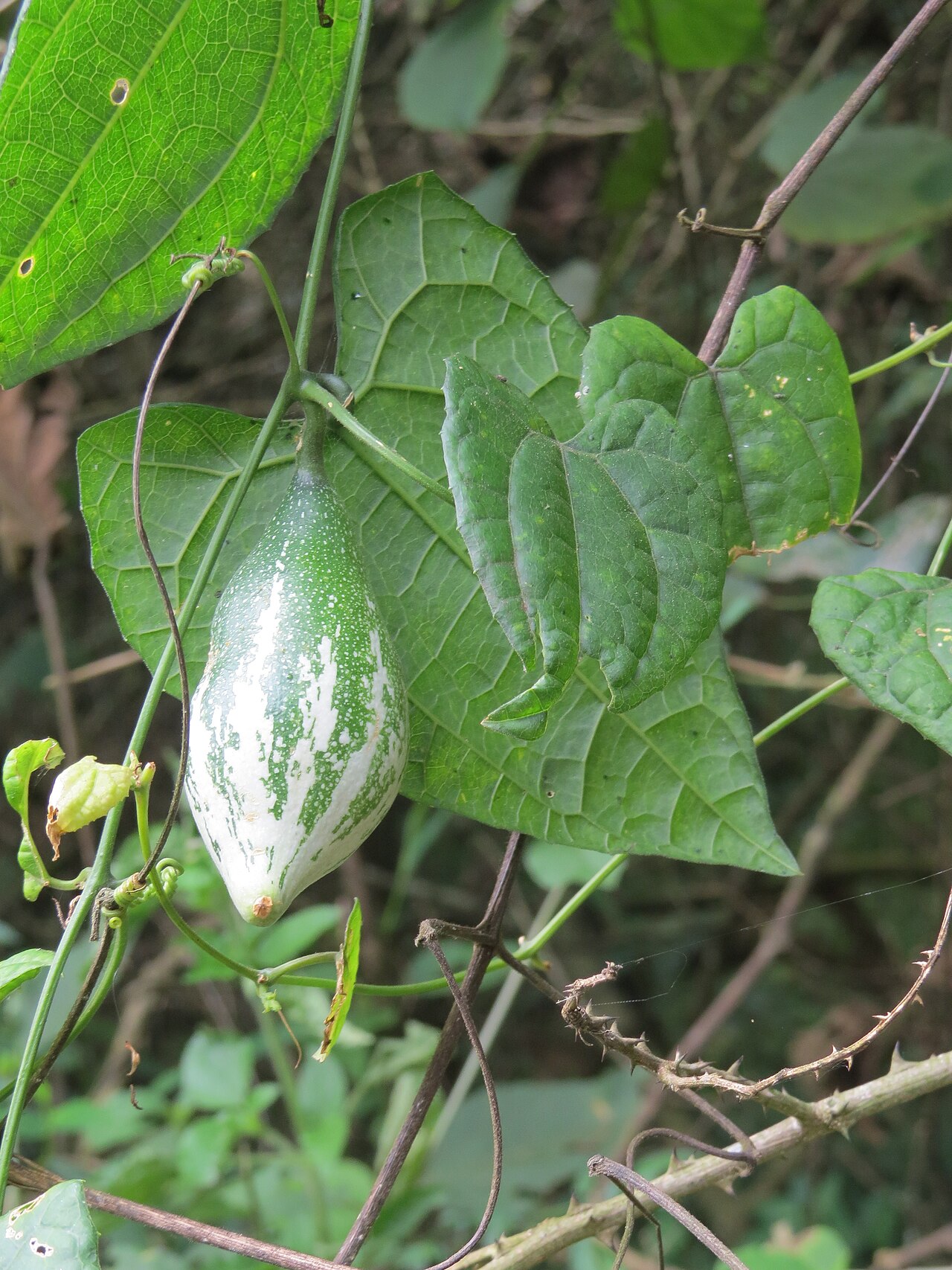
Photo: Vinayaraj · CC BY-SA 4.0 · Wikimedia Commons

Matra and anupana
AS THE CLASSICAL TEXTS AND THE API PRESCRIBE
| Swarasa | 10–20 ml |
| Kwatha | 50–100 ml |
| Anupana | Ushnodaka · Madhu |
| Kala | Adhobhakta |
Of the leaf, which is the medicinal article.
Reported from Sharangadhara Samhita and the Ayurvedic Pharmacopoeia of India. Laisha states what the texts prescribe; it does not recommend. No quantity here is adjusted for a particular person — not for agni, koshtha, bala, age, pregnancy, kidney or liver function, or anything already being taken.
Rasapanchaka
| Rasa | Tikta |
| Guna | LaghuRuksha |
| Virya | Ushna |
| Vipaka | Katu |
| Prabhava | Heads Sushruta's Patoladi gana, and is one of the dravya of Panchatikta. |
| Doshakarma | Tridoshahara. |
Tikta with ushna virya and katu vipaka. A bitter that warms, and one of the few bitters the texts call tridoshahara.
Karma and part used
These are the actions the classical texts record. They are statements about what the tradition holds, and this library does not restate them as findings about a human body.
| Upayukta anga | Patra (the leaf) Phala (the fruit) |
| Why it matters | The leaf is the medicinal article and it is bitter; the fruit is the vegetable sold as parwal and is not bitter. The texts mean the leaf. |
Paryaya
Tiktottama, the best of the bitters, names the leaf and not the vegetable, which is the distinction a student needs.
Names, by language
| English | Pointed gourd |
| Hindi | Parwal |
| Kannada | Padavala |
| Tamil | Kombu pudalai |
| Telugu | Kommu potla |
| Malayalam | Patolam |
| Marathi | Parval |
| Gujarati | Patol |
| Bengali | Potol |
| Odia | Potala |
| Urdu | Parwal |
Classical references
Formulations it appears in
| Patoladi Kwatha | Named for the dravya. |
| Panchatikta Ghrita Guggulu | One of the five bitters. |
| Mahatiktaka Ghrita | An ingredient. |
Adulterants and substitutes
The commonest error is not adulteration but the wrong part: the cultivated fruit sold as parwal is a vegetable and is not the bitter leaf the texts prescribe. Trichosanthes cucumerina is also supplied as Patola in the south with regional authority behind it.
Identity
Trichosanthes dioica is the accepted Patola. Trichosanthes cucumerina, the snake gourd, is used as Patola in parts of south India, and the classical descriptions of the bitter-leaved Patola fit it better than the cultivated vegetable does.
A WAY TO REMEMBER IT
Trichosanthes is Greek thrix, hair, and anthos, flower — the fringed petals. Dioica means the male and female flowers are on separate plants, which is why a patch that never fruits is not diseased but simply male.
What the tradition holds
Patola heads the Patoladi gana of the Sushruta Samhita and is one of the dravya of Panchatikta. That is what the tradition records and where.
What the evidence says
| Status | Traditional use is long recorded. Modern clinical evidence is limited. |
| Suggested | The dravya holds a pharmacopoeial monograph in India, which records an accepted identity and quality standard for the article. That is a standard for the material, not evidence of an effect in a body. |
| Not established | There is not enough good clinical evidence to establish an effect on any named health condition. Long traditional use is not a substitute for that evidence, and this library does not present it as one. |
| The honest gap | Published work often concerns the fruit eaten as the vegetable parwal rather than the bitter leaf the texts prescribe, and does not always state which Trichosanthes species was tested, so few findings can be read as evidence about the leaf. |
Safety
The fruit is an ordinary vegetable eaten in quantity across eastern India. The leaf is a bitter medicinal article and is a different thing. No significant toxicity is recorded for either. Anyone pregnant, on medication or managing a diagnosed condition should speak to a doctor or a qualified practitioner first.
| Contraindications | No absolute contraindication is documented here. This is written deliberately rather than left blank. |
| Interactions | No specific drug interaction is documented for this dravya. That is the honest state of the evidence, not a statement that none exists — most Ayurvedic dravya have never been studied for interaction with modern medicines at all. |
| Pregnancy and breastfeeding | The fruit is a common food in pregnancy with no documented harm. The medicinal leaf has not been formally assessed for safety in pregnancy. |
Last updated · How Laisha writes and checks its pages · Report a mistake
Go further with Laisha Smarter
US$10 a month · one price worldwide · cancel any time
- Ask Laisha about any herb or formulation — up to 1,000 questions a month
- The full study tracks with practice questions
- Reports and exports as real files