Darbha
दर्भ
Imperata cylindrica (L.) P.Beauv.
Poaceae · Imperata
Benefits & side effects
TRADITIONAL VIEW, WITH SAFETY LIMITS
What the texts say Darbha does
- Mutrala — diuretic
- Daha prashamana — relieves burning
- Raktastambhana — checks bleeding (haemostatic)
- Trishna nigrahana — relieves thirst
What the evidence says. Long recorded in Ayurveda and in East Asian medicine; laboratory work exists, but no human trial is reported in the main review.
Side effects and limits
No significant toxicity is recorded for darbha root, but that reflects a lack of study as much as reassurance; the main review found no human or animal toxicity data. Cogon grass is an aggressive weed in many warm countries, so it is plentiful and wild collection threatens nothing. Anyone pregnant, on medication or managing a diagnosed condition should speak to a doctor or a qualified practitioner first.
Avoid or ask first: None is recorded for darbha in the sources used here; the entry states this explicitly.
A traditional classification, not a recommendation. The full safety record is below.
Stands in 5 groups
- Stanyajanana — Generating breast milk
- Mutravirechaniya — Promoting urine
- Varunadi — Kapha, fat, and the head
- Viratarvadi — Urinary disease and Vata in the bladder
- Trina Panchamula — The five grass roots
A Samhita can only be read forwards, from the group to its members. This is the same list read backwards.
Photographs
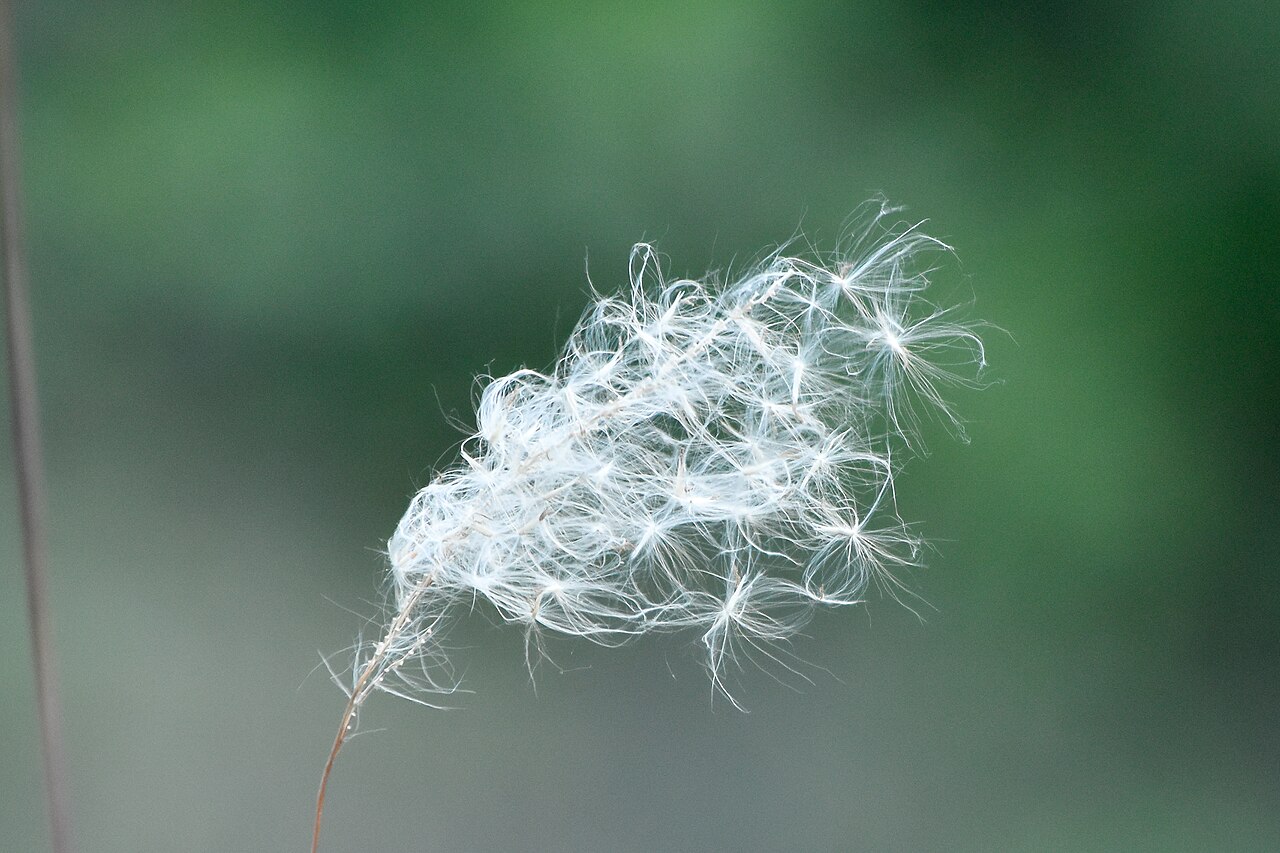
Photo: This Photo was taken by Timothy A. Gonsalves. Feel free to use my photos, but please mention me as the author. I would much appreciate if you send me an email [email protected] or write on my talk page, for my information. Please contact me before commercial use. Please do not upload an edited image here without consulting me. I would like to make corrections only at my own source to ensure that the changes improve the image and are preserved.Otherwise you may upload an edited image with a new name. Please use one of the templates derivative or extract. · CC BY-SA 4.0 · Wikimedia Commons

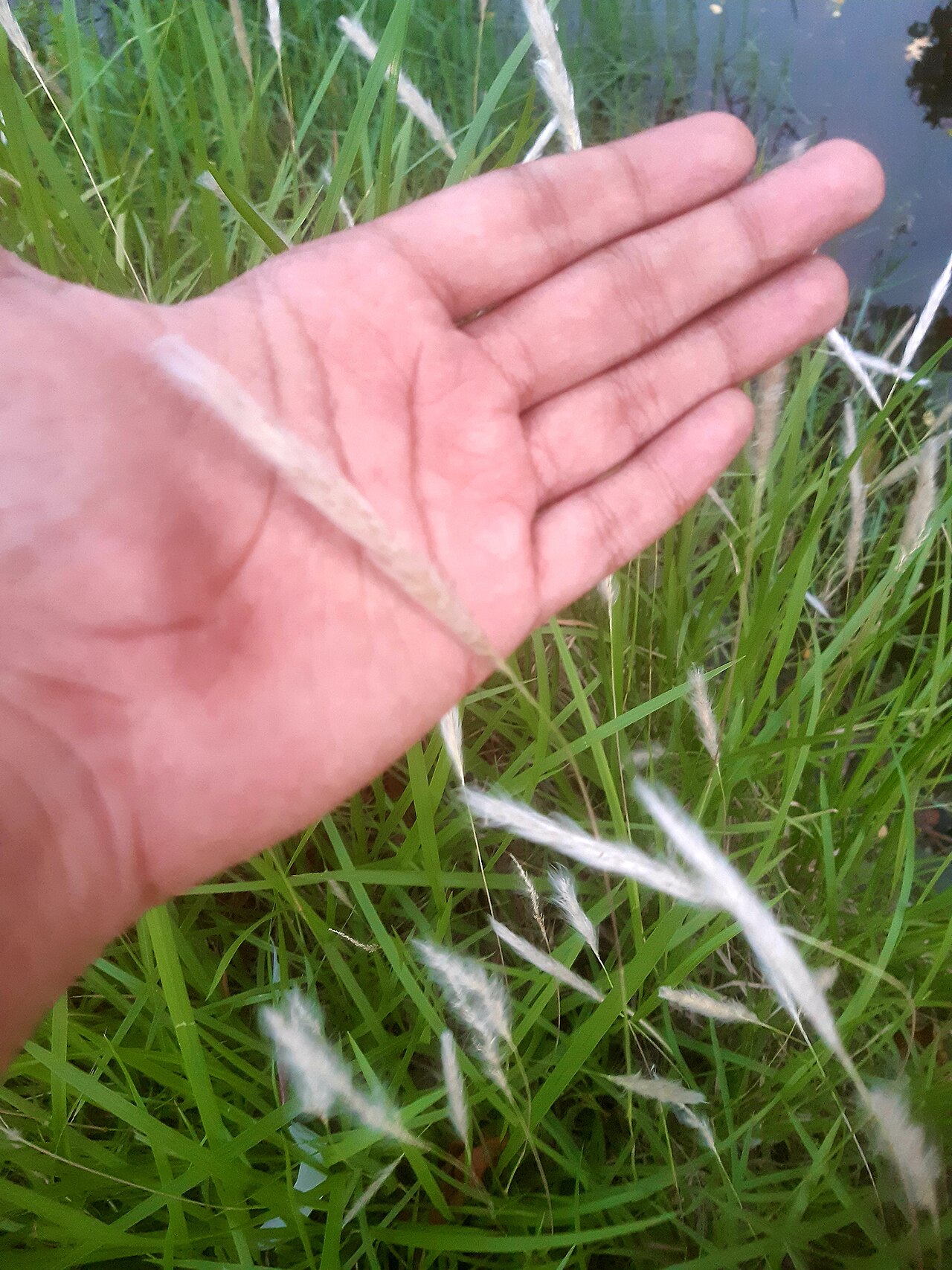
Photo: Symoum Syfullah Priyo · CC BY-SA 4.0 · Wikimedia Commons

Matra and anupana
AS THE CLASSICAL TEXTS AND THE API PRESCRIBE
| Kwatha | 50–100 ml |
| Churna | 3–6 g |
| Anupana | Sheetajala |
| Kala | Adhobhakta |
Darbha is usually taken as one of the five roots of Trina Panchamula; Sushruta's instruction is to give that group with milk.
Reported from Sharangadhara Samhita and the Ayurvedic Pharmacopoeia of India. Laisha states what the texts prescribe; it does not recommend. No quantity here is adjusted for a particular person — not for agni, koshtha, bala, age, pregnancy, kidney or liver function, or anything already being taken.
Rasapanchaka
| Rasa | MadhuraKashaya |
| Guna | LaghuSnigdha |
| Virya | Sheeta |
| Vipaka | Madhura |
| Prabhava | No separate prabhava is described. What distinguishes darbha in Sushruta is breadth: it is counted in the five-grass group, in the Varunadi gana and in the Viratarvadi gana. |
| Doshakarma | Pittakaphahara. |
Sweet with an astringent edge, cooling in virya and sweet after digestion. That profile is shared by all five roots of Trina Panchamula, which Sushruta treats as a pitta-calming group.
Karma and part used
The urinary and cooling actions follow directly from the groups darbha sits in: Charaka's urine-promoting and milk-producing mahakashaya and Sushruta's Viratarvadi gana for urinary difficulty and stone. These are the tradition's claims about the root, recorded as such and not as observed effects.
| Upayukta anga | Mula (the root and rhizome) |
| Why it matters | The medicine is the white, jointed rhizome with its roots, dug up and dried. The leaf blade is what is used in ritual, which is one reason collectors bring in the wrong part. |
Paryaya
Yajniya trina, sacrificial grass, records the ritual use it shares with kusha. Ulapa is an old name for a soft spreading grass. Because Darbha is often treated in the market as a mere synonym of Kusha, a Trina Panchamula bought ready-made frequently contains four genuine grasses and one duplicate.
Names, by language
| English | Cogon grass |
| Hindi | Darbha |
| Kannada | Darbhe hullu |
| Tamil | Darbha |
| Telugu | Darbha |
| Malayalam | Darbha |
| Marathi | Darbha |
| Gujarati | Darbha |
| Bengali | Darbha |
| Odia | Darbha |
| Urdu | Darbha |
Classical references
Formulations it appears in
| Trina Panchamula Kwatha | Darbha is one of the five grass roots, distinct from kusha. |
| Chandanasava | Listed among the ingredients of this fermented preparation. |
Adulterants and substitutes
The commonest error is not adulteration but duplication: darbha and kusha are sold for each other, so a 'five grass' mix often contains one grass twice. Imperata is easy to tell apart when whole — a soft flat blade, a silky white plume and white scaly rhizomes — but not once cut and dried. Leaf blades are also sold in place of rhizome, and other coarse field grasses are gathered under the name.
Identity
Darbha is usually identified as Imperata cylindrica, cogon grass, a creeping grass with sharp-edged blades, a fluffy white cylindrical flower plume and tough white underground runners. Kusha is a different grass, Desmostachya bipinnata. Shops and even some books use the two names for each other, but Sushruta's five-grass group lists kusha and darbha as separate members, and he also places darbha in two groups where kusha does not appear.
A WAY TO REMEMBER IT
Imperata honours Ferrante Imperato, a Naples apothecary. Cylindrica, for the cylindrical flower spike. Darbha is from a root meaning to tie in a bunch, which is how the grass is gathered for both its uses.
What the tradition holds
Darbha is one of Sushruta's five grasses, which he gives with milk in bleeding and urinary conditions, and it also sits in his Varunadi and Viratarvadi groups. Charaka counts it among the grasses that promote urine and breast milk. Outside India the same rhizome is used in Chinese medicine as Bai mao gen. These are records of practice, not demonstrated effects.
What the evidence says
| Status | Long recorded in Ayurveda and in East Asian medicine; laboratory work exists, but no human trial is reported in the main review. |
| Suggested | An Indian pharmacopoeial monograph fixes what the article should be, and the rhizome is also a pharmacopoeial drug in China. Both are standards of identity and quality, not evidence that it works. The review names cylindrin, arundoin and imperanene among the rhizome compounds. |
| Not established | Studies of cogon-grass rhizome are cell, animal or computer models; the 2021 review authors themselves say clinical studies are needed. Nothing is established in people. |
| The honest gap | Ayurvedic darbha and Chinese Bai mao gen are the same species, but studies rarely say which tradition's material, part or region they tested, and the darbha-kusha confusion means some 'darbha' samples may be the wrong grass. |
Safety
No significant toxicity is recorded for darbha root, but that reflects a lack of study as much as reassurance; the main review found no human or animal toxicity data. Cogon grass is an aggressive weed in many warm countries, so it is plentiful and wild collection threatens nothing. Anyone pregnant, on medication or managing a diagnosed condition should speak to a doctor or a qualified practitioner first.
| Contraindications | None is recorded for darbha in the sources used here; the entry states this explicitly. |
| Interactions | No specific drug interaction is documented for darbha root; it has never been tested alongside modern medicines. Diuretics: the texts class darbha as urine-promoting, so a doctor should know if it is combined with prescribed diuretics. |
| Pregnancy and breastfeeding | Charaka lists darbha among milk-increasing grasses, but no study has examined its safety in pregnancy or breastfeeding, so a qualified practitioner should be consulted. |
Last updated · How Laisha writes and checks its pages · Report a mistake
Go further with Laisha Smarter
US$10 a month · one price worldwide · cancel any time
- Ask Laisha about any herb or formulation — up to 1,000 questions a month
- The full study tracks with practice questions
- Reports and exports as real files