Jambu
जम्बू
Syzygium cumini (L.) Skeels
Myrtaceae · Syzygium
Benefits & side effects
TRADITIONAL VIEW, WITH SAFETY LIMITS
Hindi name: Jamun
What the texts say Jambu does
- Grahi — digestive that absorbs excess fluid and binds the stool
- Sangrahi — binds the stool
- Medohara — reduces fat
- Dahaprashamana — relieves burning
- Raktastambhana — checks bleeding (haemostatic)
What the evidence says. Traditional use is extensive and long recorded. Modern clinical evidence is limited.
Side effects and limits
- Constipation and dryness
- Digestive upset
- Aggravation of vata in prolonged use
Avoid or ask first: Pregnancy, in medicinal quantity.; The period immediately before and after surgery, given the blood sugar effect.
A traditional classification, not a recommendation. The full safety record is below.
Stands in 4 groups
- Chhardinigrahana — Arresting vomiting
- Purishavirajaniya — Correcting the colour of stool
- Mutrasangrahaniya — Binding the urine
- Nyagrodhadi — Wounds, burns, Pitta, and Prameha
A Samhita can only be read forwards, from the group to its members. This is the same list read backwards.
Photographs
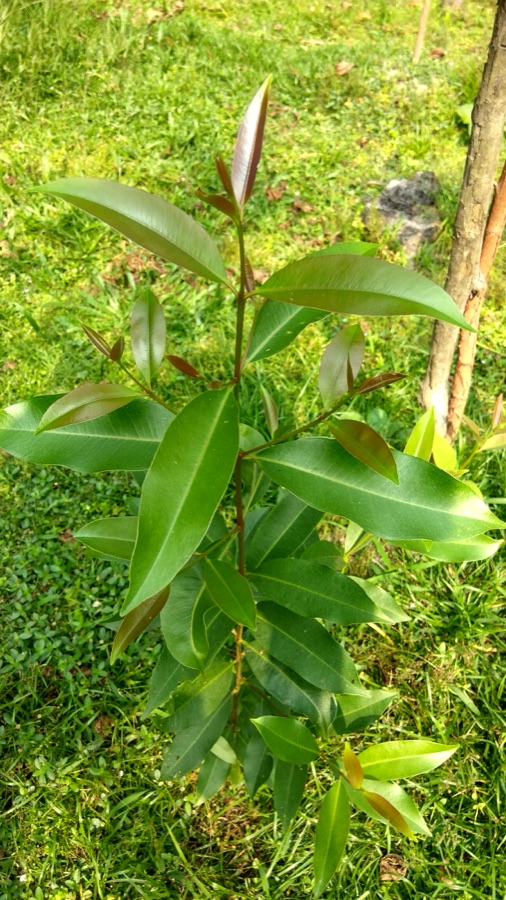
Photo: কামরুল ইসলাম শাহীন · CC BY-SA 4.0 · Wikimedia Commons

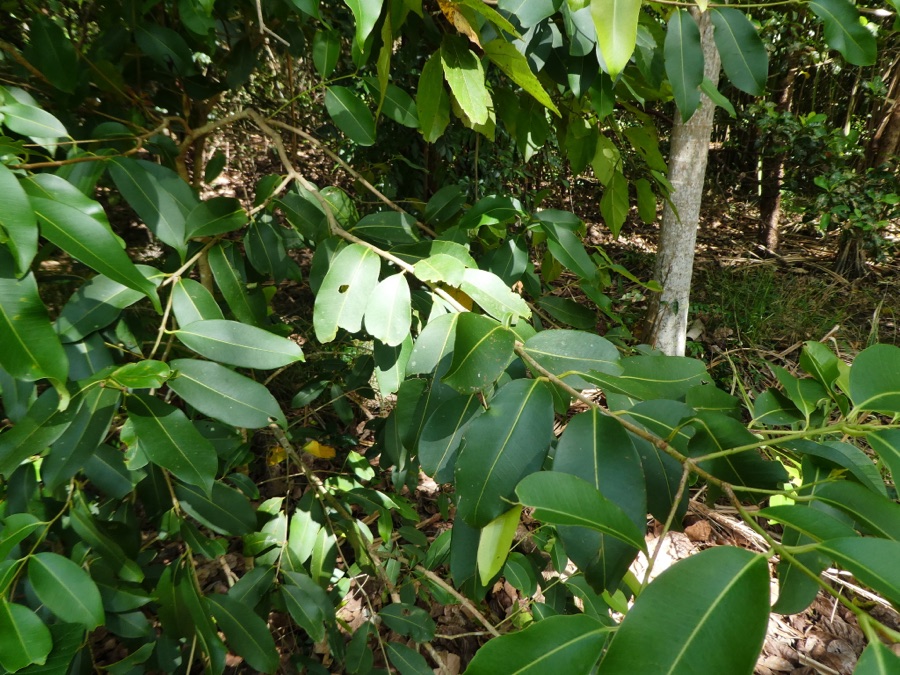
Photo: Steve Fitzgerald · CC BY-SA 4.0 · Wikimedia Commons

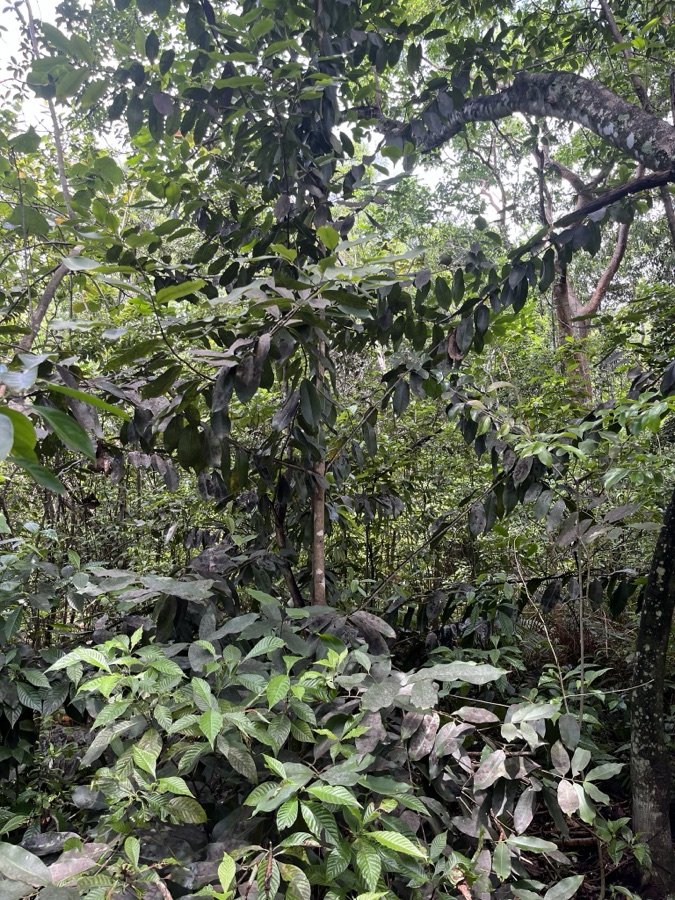
Photo: naturedom12 · CC BY 4.0 · Wikimedia Commons

Matra and anupana
AS THE CLASSICAL TEXTS AND THE API PRESCRIBE
| Beeja churna | 1–3 g |
| Twak kwatha | 50–100 ml |
| Anupana | Ushnodaka · Takra |
| Kala | Pragbhakta |
The SEED is the prameha drug, not the fruit.
Reported from Sharangadhara Samhita and the Ayurvedic Pharmacopoeia of India. Laisha states what the texts prescribe; it does not recommend. No quantity here is adjusted for a particular person — not for agni, koshtha, bala, age, pregnancy, kidney or liver function, or anything already being taken.
Rasapanchaka
| Rasa | KashayaMadhuraAmla |
| Guna | LaghuRuksha |
| Virya | Sheeta |
| Vipaka | Katu |
| Prabhava | The texts single out jambu beeja for prameha and it is the dravya named most consistently in that connection across the classical literature. |
| Doshakarma | Kaphapittahara. Being ruksha and sheeta it increases vata markedly, which the texts warn of. |
Kashaya predominant with madhura and amla, sheeta virya and katu vipaka.
Karma and part used
These are the actions the classical texts record. They are statements about what the tradition holds, and this library does not restate them as findings about a human body.
| Upayukta anga | Beeja (the seed) Phala (the fruit) Twak (the stem bark) Patra (the leaf) |
| Why it matters | The seed is the dravya the texts use most, and it is a different article from the fruit — the fruit is food, the seed is medicine, and they are not interchangeable. |
Paryaya
Rajajambu distinguishes the large cultivated fruit from the small wild kind. Mahaphala, the great fruit, says the same.
Names, by language
| English | Black plum |
| Sinhala | Madan |
| Nepali | Jamuno |
| Hindi | Jamun |
| Kannada | Nerale |
| Tamil | Naval |
| Telugu | Neredu |
| Malayalam | Njaval |
| Marathi | Jambhul |
| Gujarati | Jambu |
| Bengali | Jam |
| Punjabi | Jamun |
| Odia | Jamukoli |
| Urdu | Jamun |
Classical references
Rasa, guna, virya, vipaka and karma are recorded as the classical texts give them, with the text and section named so a student can open the book and check. Where an exact chapter and verse could not be confirmed, this library names the section rather than inventing a number.
Formulations it appears in
| Nishakathakadi Kwatha | Jambu is among the dravya. |
| Jambvasava | A fermented preparation named for the dravya. |
| Jambu Beeja Churna | Named for the seed. |
Adulterants and substitutes
Seed of other Syzygium species is substituted, and seed of the small wild kind is sold as the large. Commercial jamun seed powder is bulked with the fruit's dried pulp and with stone grit, and once powdered none of that is visible.
Identity
Matched live against the GBIF backbone on 28 September 2026 at 99 per cent confidence. Eugenia jambolana and Syzygium jambolanum are synonyms. The tree that gives its name to Jambudvipa, the old name for this subcontinent.
A WAY TO REMEMBER IT
Syzygium is syzygos, joined together — the paired leaves and joined petals. Cumini is from the resemblance of the seed to cumin.
What the tradition holds
Jambu is named in the Charaka Samhita among the dravya used in prameha and is described in the Bhavaprakasha Nighantu. That is what the tradition holds and where it is written down, not a finding about what the seed does in a body.
Constituents. The seed carries tannins, ellagic acid and jamboline. The fruit carries anthocyanins, which give it its colour.
What the evidence says
| Status | Traditional use is extensive and long recorded. Modern clinical evidence is limited. |
| Suggested | Health Canada publishes monographs covering Ayurvedic ingredients and permits specific traditional-use claims, which reflects a regulator accepting a documented tradition rather than a body of clinical trial evidence. |
| Not established | There is not enough good clinical evidence to establish an effect on any named health condition. Long traditional use is not a substitute for that evidence, and this library does not present it as one. |
| The honest gap | Published work on this seed for blood sugar is extensive but inconsistent, and rarely uses the seed as the tradition prepares it. |
Safety
The fruit is food. The seed is used traditionally where blood sugar is a concern, and that is exactly why it needs a plain caution: it may lower blood sugar, so taken alongside diabetes medicine the effects can add together and cause a hypoglycaemic episode. Anyone on such medicine must tell their doctor and monitor rather than assume. It is also strongly ruksha and the texts themselves warn it aggravates vata. Anyone on medication, pregnant, or managing a diagnosed condition should speak to a doctor or a qualified practitioner first.
| Side effects | Constipation and dryness Digestive upset Aggravation of vata in prolonged use |
| Contraindications | Pregnancy, in medicinal quantity. The period immediately before and after surgery, given the blood sugar effect. |
| Interactions | Antidiabetic medicines — Jamun seed has a genuine hypoglycaemic effect in trials; this is additive and can matter. Stop before surgery if glucose control is tight. |
| Pregnancy and breastfeeding | The fruit as food is long established. Medicinal quantities of seed are not used in pregnancy without a qualified practitioner. |
Growing it
| Climate | Tropical and subtropical; a large evergreen tree, common along roads and canals. |
| Soil | Wide range including damp ground; tolerant of flooding. |
| Planting | A tree, raised from seed or grafted. |
| Harvest | Fruit picked when fully dark and soft. Seeds are separated, dried and powdered. |
| What is not stated | This library has not verified region-specific spacing, variety and yield figures against a named agricultural authority for every growing country, and does not state them rather than guessing. |
Grown as a crop: how to grow jamun, from sowing to harvest, in Laisha's grow guides.
Last updated · How Laisha writes and checks its pages · Report a mistake
Go further with Laisha Smarter
US$10 a month · one price worldwide · cancel any time
- Ask Laisha about any herb or formulation — up to 1,000 questions a month
- The full study tracks with practice questions
- Reports and exports as real files