Kshirakakoli
क्षीरकाकोली
Fritillaria roylei Hook.
Liliaceae · Fritillaria
Benefits & side effects
TRADITIONAL VIEW, WITH SAFETY LIMITS
Hindi name: Kshirkakoli
What the texts say Kshirakakoli does
- Jivaniya — vitalising, life-sustaining
- Brimhaniya — nourishing, builds body tissue
- Stanyajanana — promotes breast milk
- Shukrajanana — promotes the production of semen
- Balya — strengthening
What the evidence says. Kshirakakoli is recorded in the classical groups but has hardly any clinical study under that name. Studies of Fritillaria bulbs are not studies of Kshirakakoli unless the identity is confirmed.
Side effects and limits
Most products listing Kshirakakoli contain Ashwagandha root instead. Where true fritillary bulb is used, it brings steroidal alkaloids that are not present in the substitute, so the safety picture depends heavily on which plant is in the jar. The classical name alone does not answer that. Anyone pregnant, on medication or managing a diagnosed condition should speak to a doctor or a qualified practitioner first.
Avoid or ask first: No absolute contraindication for Kshirakakoli is documented in the sources used here. If Ashwagandha is the article supplied, its own contraindications apply.
A traditional classification, not a recommendation. The full safety record is below.
Stands in 9 groups
- Jivaniya — Life-sustaining
- Brimhaniya — Nourishing and bulk-building (named there as Kshirini)
- Balya — Strength-giving (named there as Payasya)
- Varnya — Improving complexion (named there as Payasya)
- Shukrajanana — Generating semen
- Snehopaga — Adjuvant to oleation
- Purishavirajaniya — Correcting the colour of stool (named there as Payasya)
- Kakolyadi — Pitta, bleeding, and the building of tissue
- Ashtavarga — The eight - the Himalayan group of the Jivaniya and Kakolyadi drugs
A Samhita can only be read forwards, from the group to its members. This is the same list read backwards.
Photographs
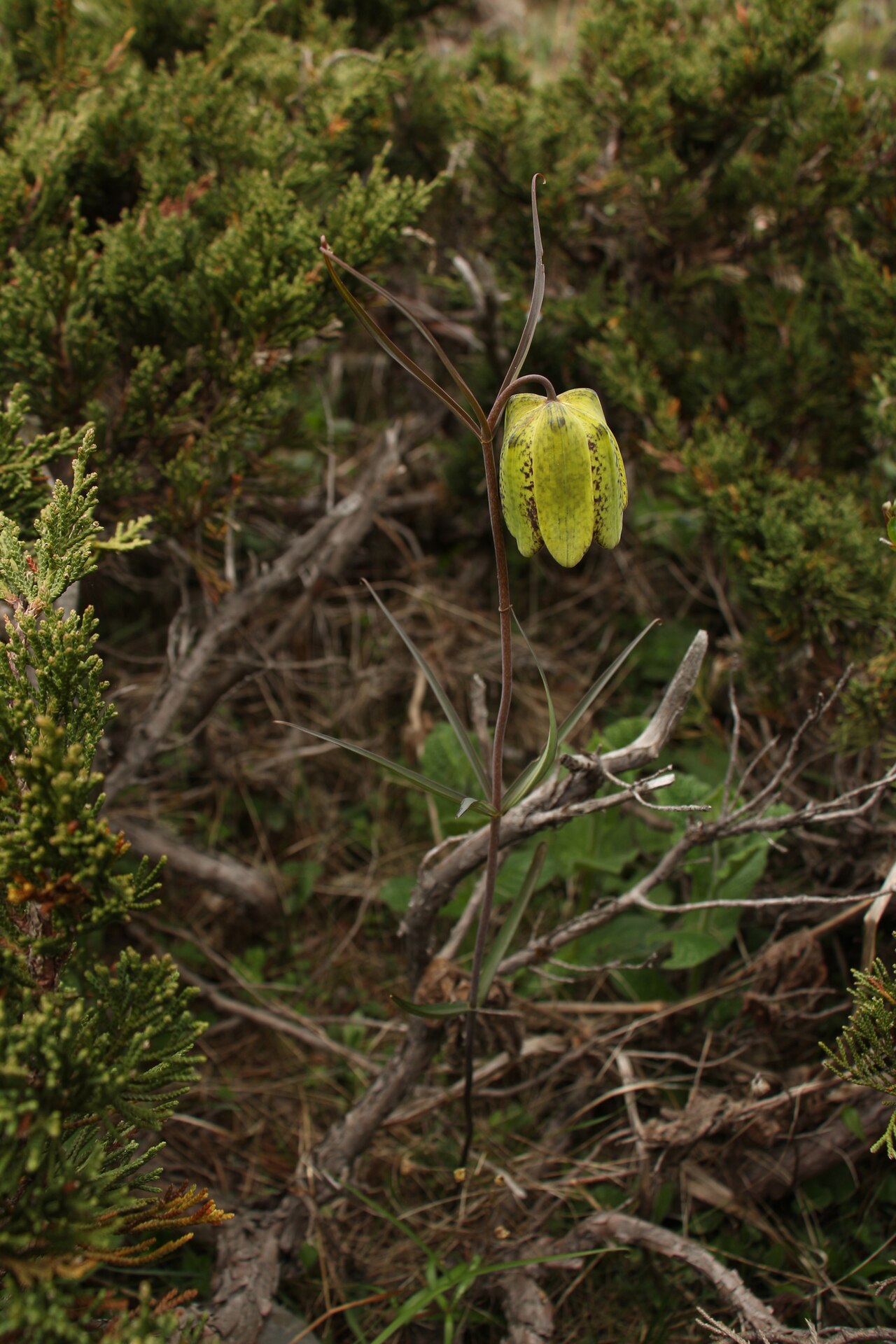
Photo: Siddarth Machado · CC BY 4.0 · Wikimedia Commons

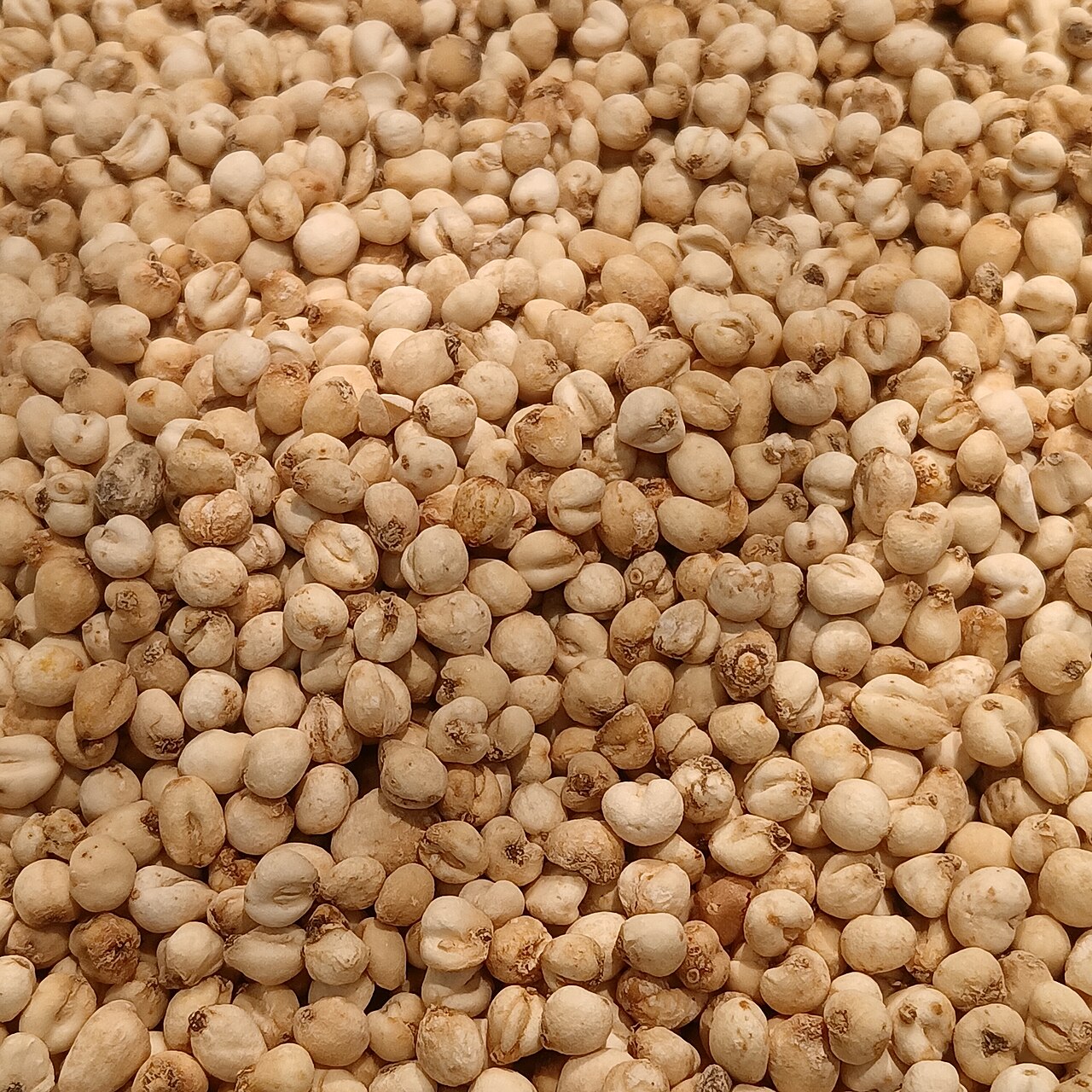
Photo: Fumikas Sagisavas · CC0 · Wikimedia Commons

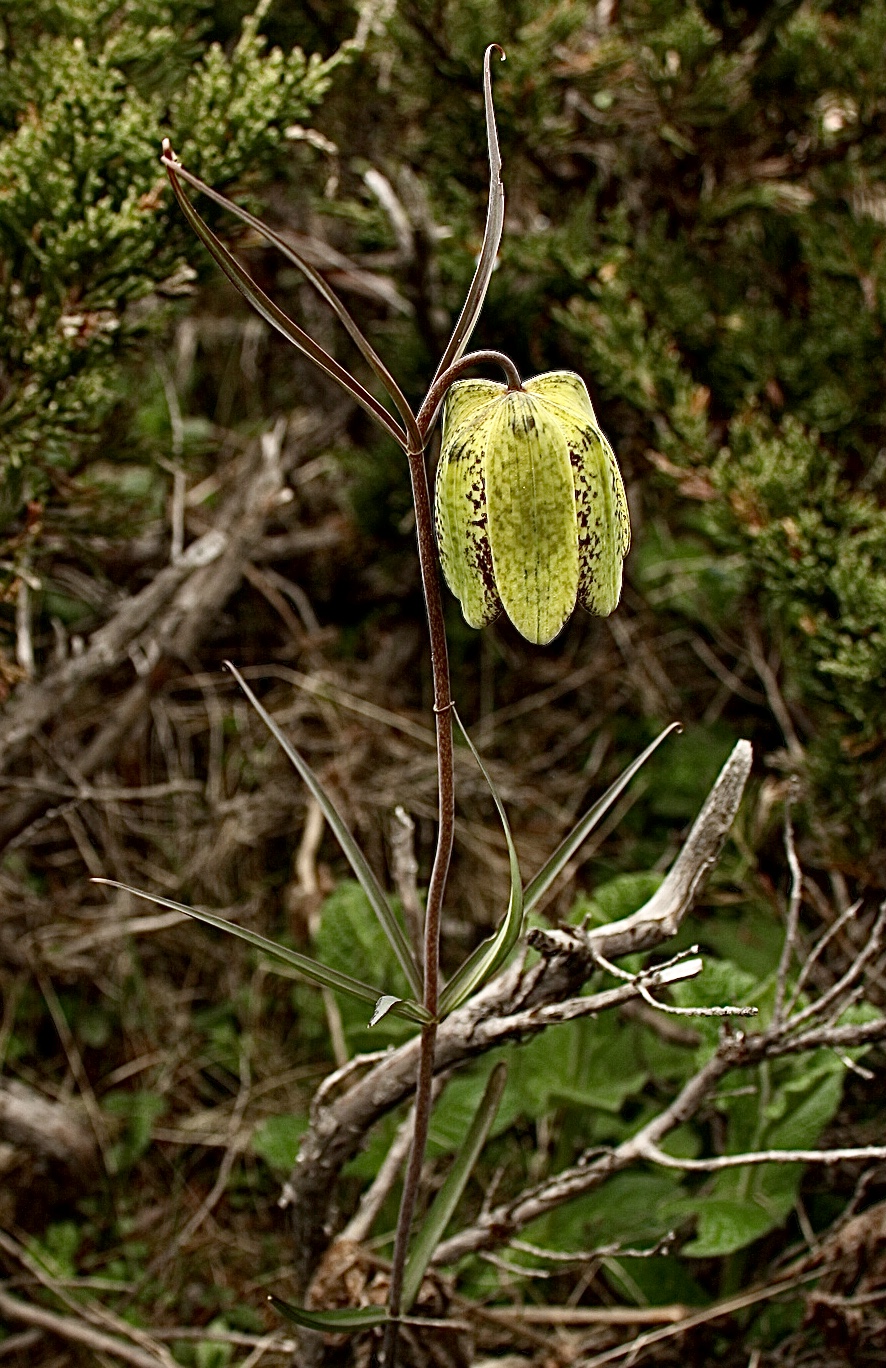
Photo: Siddarth Machado · CC BY 4.0 · Wikimedia Commons

Matra and anupana
AS THE CLASSICAL TEXTS AND THE API PRESCRIBE
| Churna | 3–6 g |
| Anupana | Ksheera · Madhu |
| Kala | Adhobhakta |
The texts' churna range for Ashtavarga members. For Kshirakakoli the powder supplied is normally Ashwagandha, the official substitute.
Reported from Sharangadhara Samhita and the Ayurvedic Pharmacopoeia of India. Laisha states what the texts prescribe; it does not recommend. No quantity here is adjusted for a particular person — not for agni, koshtha, bala, age, pregnancy, kidney or liver function, or anything already being taken.
Rasapanchaka
| Rasa | Madhura |
| Guna | GuruSnigdha |
| Virya | Sheeta |
| Vipaka | Madhura |
| Prabhava | Kshirakakoli is the milky partner of Kakoli among the Ashtavarga and a member of Charaka's Jivaniya list. |
| Doshakarma | Vatapittahara. |
Kshirakakoli is given madhura rasa, guru and snigdha guna, sheeta virya and madhura vipaka, the same profile as Kakoli. The texts distinguish the two by the milky sap, not by their properties.
Karma and part used
The recorded actions include jivaniya, brimhaniya, shukrajanana and balya. Stanyajanana, promoting breast milk, is listed for Kshirakakoli and fits the milk in its name. These are recorded beliefs, not findings.
| Upayukta anga | Kanda (the bulb) |
| Why it matters | The small scaly bulb of the fritillary. Dried bulbs of different Fritillaria species look very much alike, and the Chinese medicinal species sold as chuan bei mu can pass for them. |
Paryaya
Kshirini, the one with milk, and Payasya, of milk, both take up the idea in the name itself: a milky sap. Dhavala means white. Vira, the strong one, is shared with Kakoli and other members of the group.
Names, by language
| English | — |
| Hindi | Kshirkakoli |
| Kannada | Kshirakakoli |
| Tamil | Kshirakakoli |
| Telugu | Kshirakakoli |
| Malayalam | Kshirakakoli |
| Marathi | Kshirkakoli |
| Gujarati | Kshirkakoli |
| Bengali | Kshirkakoli |
| Odia | Kshirakakoli |
| Urdu | Kshirkakoli |
Classical references
Formulations it appears in
| Chyavanaprasha | Charaka's own recipe (Chikitsasthana 1.1, verses 62–74) names Kakoli but not Kshirakakoli. Where a modern label lists Kshirakakoli, it reflects the later practice of adding the Ashtavarga as a full set; the article used is usually Ashwagandha. |
| Jivaniya Gana Kwatha | Kshirakakoli is one of the ten drugs in the Jivaniya group. |
Adulterants and substitutes
The Pharmacopoeia's official substitute for Kshirakakoli, shared with Kakoli, is Ashwagandha root. In the market the two Kakolis are often not separated at all. Fritillaria cirrhosa and other Chinese fritillaries also enter the trade as Kshirakakoli, which matters because fritillary bulbs contain steroidal alkaloids.
Identity
The Ayurvedic Pharmacopoeia of India names Fritillaria roylei, a Himalayan fritillary, as Kshirakakoli, and most current work follows it. Other authors give Lilium polyphyllum, and Charak Samhita Online describes Kshirakakoli as the tuberous root of Roscoea procera, the same plant it gives for Kakoli. Fritillaria roylei bulbs take years to reach a collectable size and the plant is considered threatened in the Himalayan states, which is why wild supply fell so sharply.
A WAY TO REMEMBER IT
Fritillaria is from the Latin fritillus, a dice-box, because of the chequered flowers of some species. Roylei honours J. F. Royle, who wrote on Himalayan botany. Kshira means milk: Kshirakakoli is the milky Kakoli, and that single word is what separates the two names.
What the tradition holds
Kshirakakoli is defined by milk: the name, two of its synonyms and its recorded action of promoting breast milk all point the same way. Charaka lists it in four groups, from Jivaniya to Snehopaga, but leaves it out of his Chyavanaprasha recipe, which names only its partner Kakoli.
What the evidence says
| Status | Kshirakakoli is recorded in the classical groups but has hardly any clinical study under that name. Studies of Fritillaria bulbs are not studies of Kshirakakoli unless the identity is confirmed. |
| Suggested | The work that exists concerns identification, the threatened status of Fritillaria roylei and propagation. Chinese research on fritillary bulbs is a separate tradition and should not be borrowed as Ayurvedic evidence. |
| Not established | No sound human trial has tested Kshirakakoli, in any of its proposed identities, for a named condition, and the stanyajanana action has not been tested either. |
| The honest gap | Charak Samhita Online treats Kshirakakoli as Roscoea, the Pharmacopoeia as Fritillaria. Until that is resolved, and a chemical marker agreed, no result can be attributed to the classical drug. |
Safety
Most products listing Kshirakakoli contain Ashwagandha root instead. Where true fritillary bulb is used, it brings steroidal alkaloids that are not present in the substitute, so the safety picture depends heavily on which plant is in the jar. The classical name alone does not answer that. Anyone pregnant, on medication or managing a diagnosed condition should speak to a doctor or a qualified practitioner first.
| Contraindications | No absolute contraindication for Kshirakakoli is documented in the sources used here. If Ashwagandha is the article supplied, its own contraindications apply. |
| Interactions | No specific drug interaction is documented for Kshirakakoli. Fritillary bulbs and Ashwagandha would each raise different questions, and neither has been studied as Kshirakakoli. |
| Pregnancy and breastfeeding | Not established. Although the texts record Kshirakakoli as promoting breast milk, that is a traditional statement, not safety evidence for use during breastfeeding. |
Last updated · How Laisha writes and checks its pages · Report a mistake
Go further with Laisha Smarter
US$10 a month · one price worldwide · cancel any time
- Ask Laisha about any herb or formulation — up to 1,000 questions a month
- The full study tracks with practice questions
- Reports and exports as real files