Plaksha
प्लक्ष
Ficus lacor Buch.-Ham.
Moraceae · Ficus
Benefits & side effects
TRADITIONAL VIEW, WITH SAFETY LIMITS
Hindi name: Pakar
What the texts say Plaksha does
- Grahi — digestive that absorbs excess fluid and binds the stool
- Vranaropana — heals wounds
- Raktastambhana — checks bleeding (haemostatic)
- Varnya — improves complexion
- Dahaprashamana — relieves burning
What the evidence says. Almost nothing has been studied about plaksha on its own. The modern literature concerns Panchavalkala, the five-bark mixture.
Side effects and limits
- Constipation from the tannins
- Digestive upset
Avoid or ask first: No absolute contraindication for plaksha is recorded in the sources used, and the entry states this rather than leaving the field blank.
A traditional classification, not a recommendation. The full safety record is below.
Stands in 2 groups
- Mutrasangrahaniya — Binding the urine
- Nyagrodhadi — Wounds, burns, Pitta, and Prameha
A Samhita can only be read forwards, from the group to its members. This is the same list read backwards.
Photographs
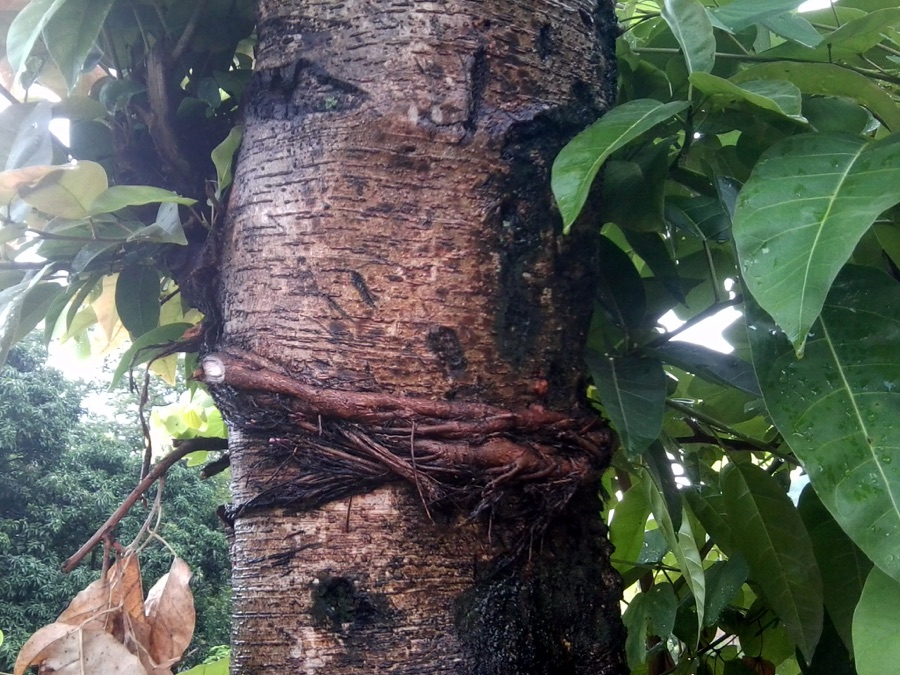
Photo: Krish Dulal · CC BY-SA 3.0 · Wikimedia Commons

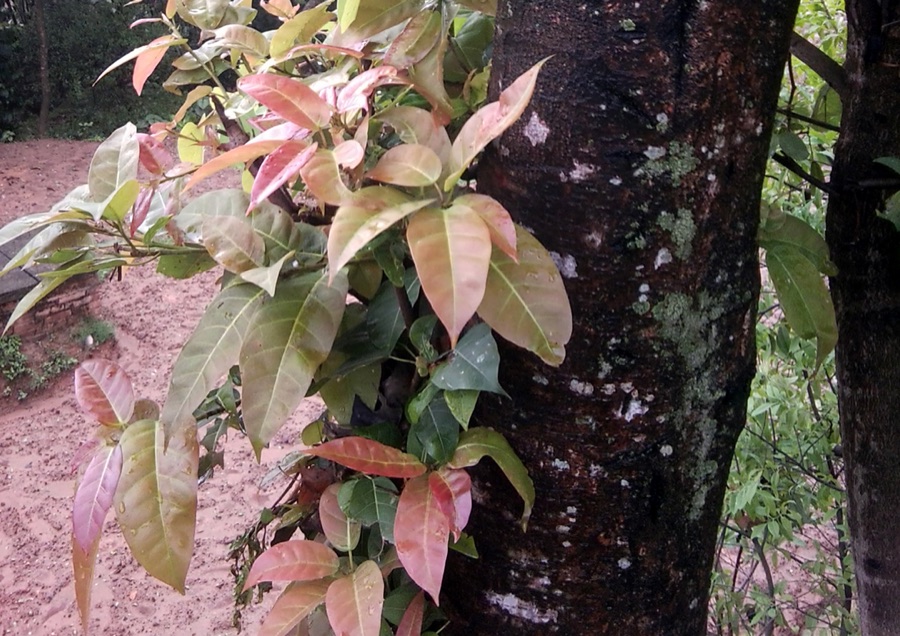
Photo: Krish Dulal · CC BY-SA 3.0 · Wikimedia Commons

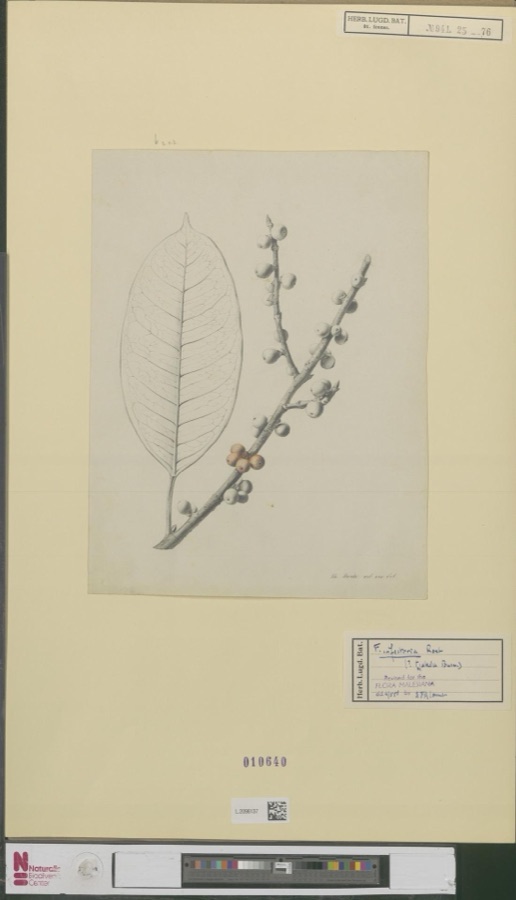
Photo: Roxburgh · CC0 · Wikimedia Commons

Matra and anupana
AS THE CLASSICAL TEXTS AND THE API PRESCRIBE
| Twak kwatha | 50–100 ml |
| Churna | 3–6 g |
| Anupana | Madhu · Tandulodaka |
| Kala | Adhobhakta |
Plaksha is almost never prescribed alone; it reaches patients as one bark of Panchavalkala or of the Kshiri Vriksha group, and Charaka's one individual use is a local application.
Reported from Sharangadhara Samhita and the Ayurvedic Pharmacopoeia of India. Laisha states what the texts prescribe; it does not recommend. No quantity here is adjusted for a particular person — not for agni, koshtha, bala, age, pregnancy, kidney or liver function, or anything already being taken.
Rasapanchaka
| Rasa | Kashaya |
| Guna | GuruRuksha |
| Virya | Sheeta |
| Vipaka | Katu |
| Prabhava | Nothing peculiar to plaksha is recorded. Where the texts name it individually, as in Charaka's chapter on gynaecological disorders, the use is the astringent one shared by the group. |
| Doshakarma | Reduces pitta and kapha; the heavy, drying bark is expected to aggravate vata when relied on too long. |
The nighantu gives plaksha kashaya alone. Sheeta virya and katu vipaka complete a profile indistinguishable from vata and ashvattha, which is partly why the texts rarely discuss plaksha on its own.
Karma and part used
Plaksha inherits the group's list of actions almost unchanged. The library records them because the texts state them, not because they have been observed for this particular tree, and with plaksha even the tree is uncertain.
| Upayukta anga | Twak (the stem bark) Shunga (the leaf bud) |
| Why it matters | The bark is the medicinal article. In some regions the tender leaf buds of pakar are eaten as a seasonal vegetable, which is food use rather than medicine. |
Paryaya
Pakari is a regional name that entered the synonym lists. Kamandaluka links the tree to the ascetic's water pot. None of these names a feature a collector could check in the field, unlike chaladala for ashvattha or bahupada for vata — one reason the plant behind plaksha has never been fixed.
Names, by language
| English | White fig |
| Sinhala | Pulila |
| Nepali | Kavro |
| Hindi | Pakar |
| Kannada | Basari |
| Tamil | Ichi |
| Telugu | Juvvi |
| Malayalam | Chiral |
| Marathi | Payar |
| Gujarati | Pipri |
| Bengali | Pakur |
| Punjabi | Pakhar |
| Odia | Jori |
| Urdu | Pakar |
Classical references
Qualities follow the Bhavaprakasha Nighantu and the group memberships follow Sushruta and Charaka, cited to chapter and, where checked, verse. This entry is explicit that the botanical identity is itself disputed, so any statement about plaksha applies to whichever tree the source meant.
Formulations it appears in
| Nyagrodhadi Kwatha | Plaksha is the fourth fig of the gana decoction. |
| Nalpamaradi Taila | An external oil made from fig-tree barks, plaksha among them. |
Adulterants and substitutes
The substitution question for plaksha is really an identity question. Ficus lacor, Ficus virens and Ficus arnottiana are each supplied under the name; one published Panchavalkala used Ficus virens, while a clinical study of a Panchavalkala cream used Ficus lacor. A buyer or researcher should therefore record the species actually used, because the Sanskrit name alone does not fix it. Because plaksha is nearly always one bark among four or five, the market has little incentive to resolve this.
Identity
Ficus lacor Buch.-Ham., matched against the GBIF backbone on 28 September 2026 at 99 per cent confidence; much Ayurvedic writing calls the same tree Ficus infectoria. Plaksha is the milky tree whose botany is least agreed. Published Panchavalkala studies use Ficus lacor in one paper and Ficus virens in another, and Ficus arnottiana is also sold under the name in some regions.
A WAY TO REMEMBER IT
Ficus, the fig. Lacor is from the Hindi-Bengali name for the tree.
What the tradition holds
Plaksha belongs to Sushruta's Nyagrodhadi gana and to Charaka's Mutrasangrahaniya group, and Charaka uses its bark powder with honey in a local application where there is discharge. Its main modern use is as one of the five barks of Panchavalkala. This describes the tradition, not proven effects.
Constituents. The bark carries tannins and sterols, in the same broad pattern as the other three.
What the evidence says
| Status | Almost nothing has been studied about plaksha on its own. The modern literature concerns Panchavalkala, the five-bark mixture. |
| Suggested | An in vitro study of a Panchavalkala made with Ficus virens measured antioxidant activity in the test tube, and a single uncontrolled study of fifty patients applied a Panchavalkala cream to chronic wounds. Neither isolates plaksha, and neither can show an effect in the body for it. |
| Not established | No effect of plaksha bark on any human condition is established, and the uncontrolled design of the one clinical study of the mixture leaves its results open to other explanations. |
| The honest gap | Before any evidence could attach to plaksha, researchers would need to agree on which Ficus species it is. At present different studies of the same named formula use different trees. |
Safety
No serious harm is recorded for plaksha bark at traditional use; that means no reports, not demonstrated safety. Like the other milky trees it is rich in tannin, so it may constipate and can reduce the uptake of iron and of medicines taken with it. Because the species supplied may vary, its safety record is in effect the record of several trees. Anyone on medication, pregnant, or managing a diagnosed condition should speak to a doctor or a qualified practitioner first.
| Side effects | Constipation from the tannins Digestive upset |
| Contraindications | No absolute contraindication for plaksha is recorded in the sources used, and the entry states this rather than leaving the field blank. |
| Interactions | No specific drug interaction is documented for plaksha, which has not been tested for interactions at all; mention it to whoever prescribes other medicines. Oral iron and medicines swallowed at the same time: the bark's tannins can bind them, so the cautious course is to space them apart. |
| Pregnancy and breastfeeding | No study has looked at plaksha in pregnancy or breastfeeding, and the uncertain identity makes extrapolation from other figs unsafe; a qualified practitioner should be consulted first. |
Growing it
| Climate | Tropical and subtropical, common along watercourses and in villages. |
| Soil | Moist, deep ground. |
| Planting | Raised from seed or cuttings, and commonly planted as a shade tree in villages and along roads. |
| Harvest | Bark taken in strips from part of the trunk. Leaf buds picked in spring. |
| What is not stated | No agricultural authority's figures for spacing or yield have been checked for any of the trees sold as plaksha, so none are given. |
Last updated · How Laisha writes and checks its pages · Report a mistake
Go further with Laisha Smarter
US$10 a month · one price worldwide · cancel any time
- Ask Laisha about any herb or formulation — up to 1,000 questions a month
- The full study tracks with practice questions
- Reports and exports as real files