Shalaparni
शालपर्णी
Desmodium gangeticum (L.) DC.
Fabaceae · Desmodium
One name, more than one plant
Shalaparni is Desmodium gangeticum, a small woody legume with large single leaflets, matched to the GBIF backbone at 99 per cent confidence on 28 September 2026. Charak Samhita Online gives the same identification. It is one of the five lesser roots (Laghu Panchamula) of Dashamula and is generally less disputed than its partner Prishniparni.
Benefits & side effects
TRADITIONAL VIEW, WITH SAFETY LIMITS
Hindi name: Sarivan
What the texts say Shalaparni does
- Balya — strengthening
- Rasayana — rejuvenative
- Deepana — kindles digestion (appetiser)
- Shothahara — reduces swelling
- Vatahara — pacifies vata
- Jwaraghna — used in fever
What the evidence says. Shalaparni has an extensive traditional record. Clinical research on it is thin.
Side effects and limits
- Digestive upset
Avoid or ask first: No absolute contraindication for Shalaparni is recorded in the sources used. Given the limited study, that is an absence of evidence rather than proof of safety.
A traditional classification, not a recommendation. The full safety record is below.
Stands in 7 groups
- Balya — Strength-giving (named there as Sthira)
- Snehopaga — Adjuvant to oleation
- Shothahara — Reducing swelling
- Angamardaprashamana — Allaying body ache (named there as Vidarigandha)
- Vayasthapana — Sustaining youth (named there as Sthira)
- Vidarigandhadi — Vata disorders and the wasting states (named there as Vidarigandha)
- Laghu Panchamula — The lesser five roots (named there as Vidarigandha)
A Samhita can only be read forwards, from the group to its members. This is the same list read backwards.
Photographs
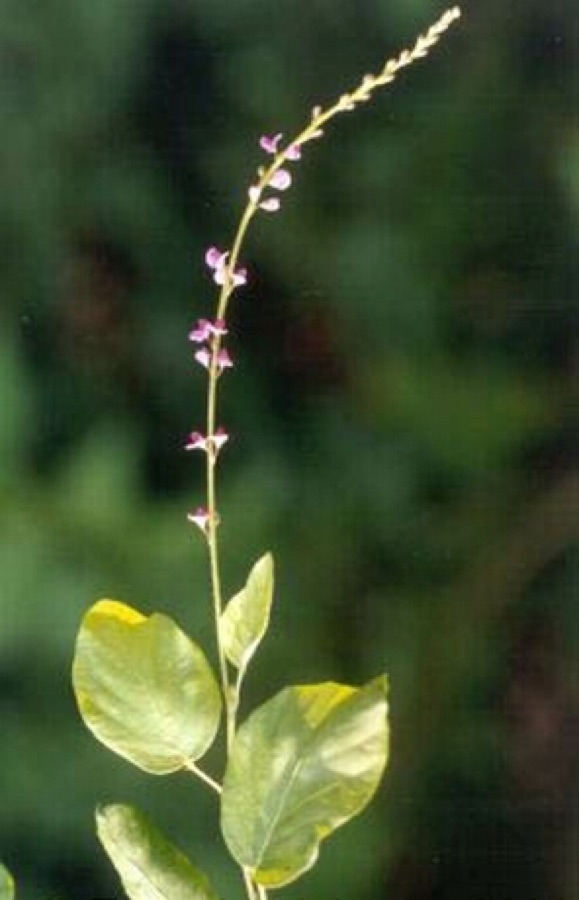
Photo: E. Kunhikrishnan · CC BY-SA 2.5 · Wikimedia Commons

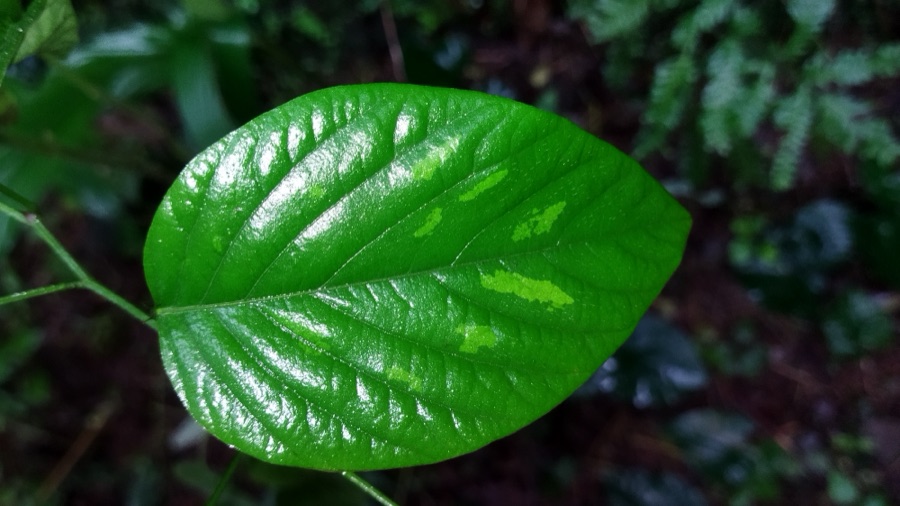
Photo: Nativeplants garden · CC BY-SA 4.0 · Wikimedia Commons

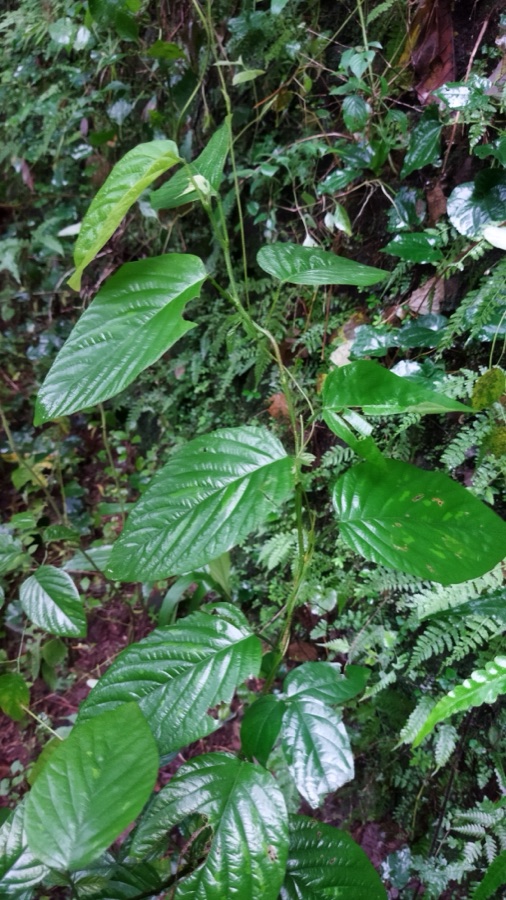
Photo: Nativeplants garden · CC BY-SA 4.0 · Wikimedia Commons

Matra and anupana
AS THE CLASSICAL TEXTS AND THE API PRESCRIBE
| Churna | 3–6 g |
| Kwatha | 50–100 ml |
| Anupana | Dugdha · Ushnodaka |
| Kala | Adhobhakta |
The churna and kwatha ranges recorded for Shalaparni as one of the lesser roots; it is ordinarily taken within Dashamula rather than alone.
Reported from Sharangadhara Samhita and the Ayurvedic Pharmacopoeia of India. Laisha states what the texts prescribe; it does not recommend. No quantity here is adjusted for a particular person — not for agni, koshtha, bala, age, pregnancy, kidney or liver function, or anything already being taken.
Pharmacopoeial standard
Ayurvedic Pharmacopoeia of India, Part I
| Marker | Total alkaloids |
| Assay | |
| Total ash | |
| Acid-insoluble ash | |
| Alcohol-soluble extractive | |
| Water-soluble extractive | |
| Foreign matter |
The monograph is for Desmodium gangeticum root. Pseudarthria viscida, used as Prishniparni in the south, is often mixed with it.
The marker given is total alkaloids. This is the standard as published, not a test Laisha has run on Shalaparni, and Laisha does not reproduce the numeric limits; the assay, ash and extractive figures belong to the current Ayurvedic Pharmacopoeia of India and should be read there. Note that the monograph covers the root, not the whole plant.
Rasapanchaka
| Rasa | MadhuraTikta |
| Guna | GuruSnigdha |
| Virya | Ushna |
| Vipaka | Madhura |
| Prabhava | The texts call Shalaparni tridoshahara, balancing all three dosha, which is unusual among roots, and it stands first in the Laghu Panchamula list. |
| Doshakarma | Tridoshahara. |
Madhura and tikta in rasa, guru and snigdha in guna, ushna in virya and madhura in vipaka. The heavy, unctuous qualities set it slightly apart from the lighter Prishniparni.
Karma and part used
Balya, rasayana, deepana, shothahara, vatahara and jwaraghna are recorded. Charaka also counts it among the vayasthapana drugs, said to preserve youth, and the snehopaga. These are claims of the tradition.
| Upayukta anga | Mula (the root) Panchanga |
| Why it matters | Dashamula calls for the root, which is long, cylindrical and fibrous. The whole plant is also used in some preparations, but root and whole plant are not interchangeable in a classical formula. |
Paryaya
Shalaparni means 'leaf like the sal tree', for its broad, simple leaflet. Sthira, firm or steady, is the name Sushruta often uses and the one most often paired with Prishniparni. Vidarigandha, smelling like Vidari, is the name under which it heads Sushruta's Vidarigandhadi group. Triparni and Anshumati are further synonyms.
Names, by language
| English | Tick clover |
| Sinhala | Undupiyaliya |
| Nepali | Sarivan |
| Hindi | Sarivan |
| Kannada | Murele honne |
| Tamil | Pulladi |
| Telugu | Nakkatokaponna |
| Malayalam | Orila |
| Marathi | Salvan |
| Gujarati | Salvan |
| Bengali | Salpani |
| Punjabi | Sarivan |
| Odia | Salaparni |
| Urdu | Sarivan |
Classical references
Rasa, guna, virya, vipaka and karma are recorded as the classical texts give them, with the text and section named so a student can open the book and check. Where an exact chapter and verse could not be confirmed, this library names the section rather than inventing a number.
Formulations it appears in
| Dashamoolarishta | Contributes the first of the lesser roots to this fermented preparation. |
| Dashamoola Kwatha | One of the ten roots boiled down in the decoction. |
| Chyawanprash | Named first among the four 'parni' herbs in Charaka's recipe, before Prishniparni, Mudgaparni and Mashaparni. |
Adulterants and substitutes
Other Desmodium species grow in the same places and are hard to separate once the root is dried and cut. Pseudarthria viscida, the southern Prishniparni, is also mixed in, since the two plants grow together and the texts pair them. A collector who gathers both and sells them under one name is usually careless rather than dishonest.
Identity
Shalaparni is Desmodium gangeticum, a small woody legume with large single leaflets, matched to the GBIF backbone at 99 per cent confidence on 28 September 2026. Charak Samhita Online gives the same identification. It is one of the five lesser roots (Laghu Panchamula) of Dashamula and is generally less disputed than its partner Prishniparni.
A WAY TO REMEMBER IT
Desmodium comes from the Greek desmos, a chain, because the pod breaks into chain-like segments. Gangeticum means of the Ganges region.
What the tradition holds
Shalaparni heads the Laghu Panchamula, appears under the name Vidarigandha at the head of a whole Sushruta group, and is the first of the four 'parni' herbs in Charaka's Chyavanaprasha. Charaka also lists it among drugs for strength and for preserving youth.
Constituents. The root contains alkaloids of the indole type and pterocarpanoids, in amounts that change with the age of the plant. Total alkaloids is the pharmacopoeial marker.
What the evidence says
| Status | Shalaparni has an extensive traditional record. Clinical research on it is thin. |
| Suggested | Desmodium gangeticum has been studied in the laboratory more than its partner, and it has a pharmacopoeial standard in India. Health Canada's monograph approach shows a regulator accepting documented tradition, not trial evidence. None of this shows a clinical effect. |
| Not established | There is no good clinical evidence that Shalaparni helps any named health condition. |
| The honest gap | Studies seldom say whether they tested the root or the whole plant, and since the texts treat them differently, the results are hard to interpret. |
Safety
No serious harm has been recorded for Shalaparni at traditional amounts, though the record is thin rather than reassuring. It is almost always taken as one of the ten roots of Dashamula. Anyone on medication, pregnant, or managing a diagnosed condition should speak to a doctor or a qualified practitioner first.
| Side effects | Digestive upset |
| Contraindications | No absolute contraindication for Shalaparni is recorded in the sources used. Given the limited study, that is an absence of evidence rather than proof of safety. |
| Interactions | No specific drug interaction is documented for Shalaparni. Because it is usually taken within Dashamula, the whole formula is what a doctor should be told about. |
| Pregnancy and breastfeeding | Not established for Shalaparni. Traditional use of Dashamula after childbirth does not amount to safety evidence, so a qualified practitioner should be asked first. |
Growing it
| Climate | Tropical and subtropical; common in scrub, on forest edges and along field margins. |
| Soil | Ordinary, well-drained ground, including fairly dry sites. |
| Planting | Grown from seed; a nitrogen-fixing legume whose pods break into small segments that cling to clothing. |
| Harvest | Roots are dug from plants at least one year old, washed, cut into pieces and dried in the shade. |
| What is not stated | Most supply is still collected from the wild, and Dashamula demand is heavy enough to put pressure on wild stands. |
Last updated · How Laisha writes and checks its pages · Report a mistake
Go further with Laisha Smarter
US$10 a month · one price worldwide · cancel any time
- Ask Laisha about any herb or formulation — up to 1,000 questions a month
- The full study tracks with practice questions
- Reports and exports as real files