Kakoli
काकोली
Roscoea purpurea Sm.
Zingiberaceae · Roscoea
Benefits & side effects
TRADITIONAL VIEW, WITH SAFETY LIMITS
What the texts say Kakoli does
- Jivaniya — vitalising, life-sustaining
- Brimhaniya — nourishing, builds body tissue
- Shukrajanana — promotes the production of semen
- Daha prashamana — relieves burning
- Balya — strengthening
What the evidence says. Kakoli has a long record in the texts and almost no clinical study. Because three unrelated plants are sold under the name, any modern result must be read against the species actually used.
Side effects and limits
Kakoli in a product is most often Ashwagandha root, the official substitute, and otherwise may be a Roscoea, a lily or a fritillary. These differ in chemistry, so the safety of 'Kakoli' cannot be stated without knowing which plant was used. Ashwagandha has its own cautions, which then apply. Anyone pregnant, on medication or managing a diagnosed condition should speak to a doctor or a qualified practitioner first.
Avoid or ask first: The sources used here record no absolute contraindication for Kakoli itself. If the product uses Ashwagandha in its place, that plant's own contraindications apply instead.
A traditional classification, not a recommendation. The full safety record is below.
Stands in 7 groups
- Jivaniya — Life-sustaining
- Brimhaniya — Nourishing and bulk-building
- Shukrajanana — Generating semen
- Snehopaga — Adjuvant to oleation
- Angamardaprashamana — Allaying body ache
- Kakolyadi — Pitta, bleeding, and the building of tissue
- Ashtavarga — The eight - the Himalayan group of the Jivaniya and Kakolyadi drugs
A Samhita can only be read forwards, from the group to its members. This is the same list read backwards.
Photographs
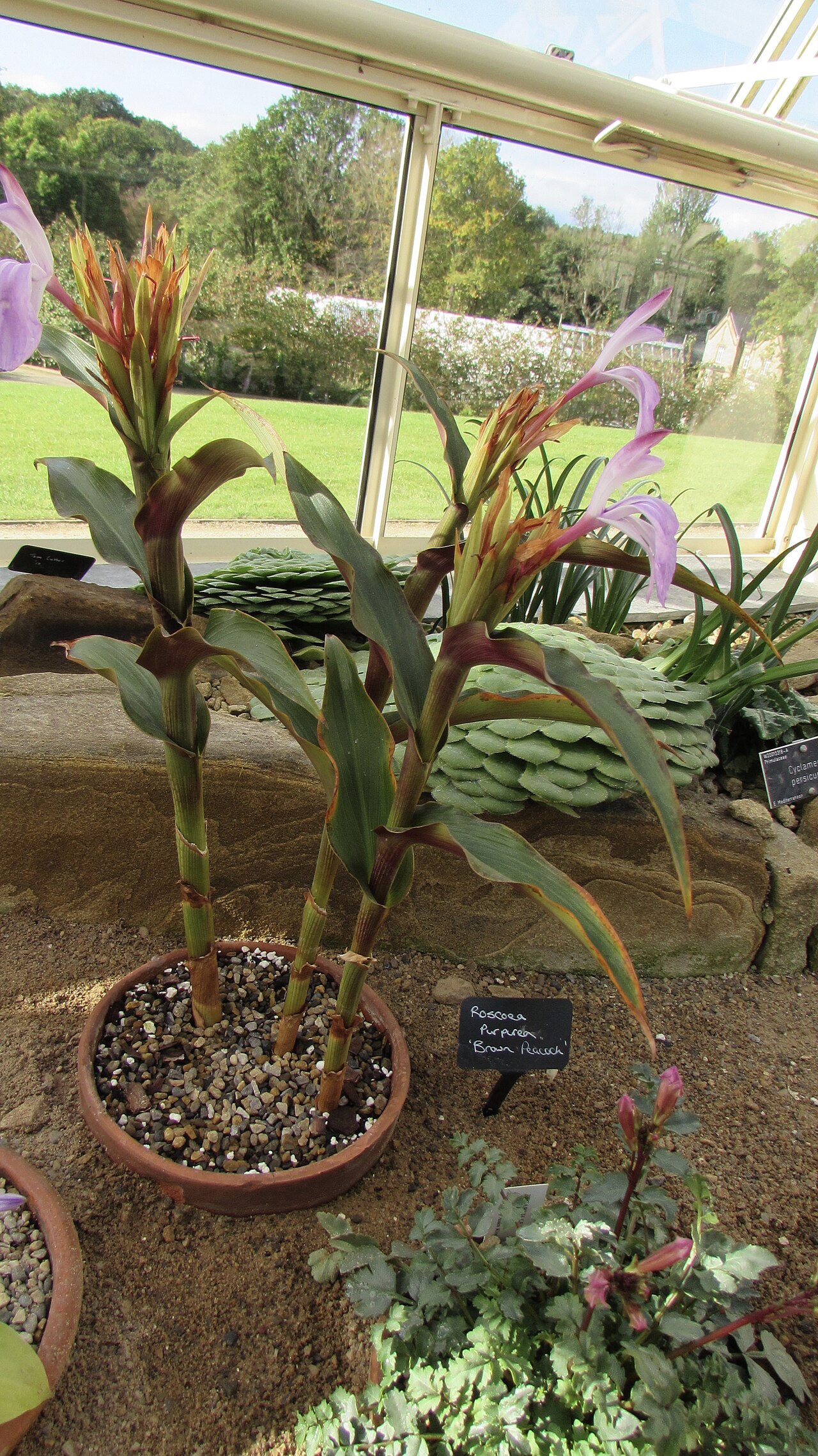
Photo: Richard Avery · CC BY-SA 4.0 · Wikimedia Commons

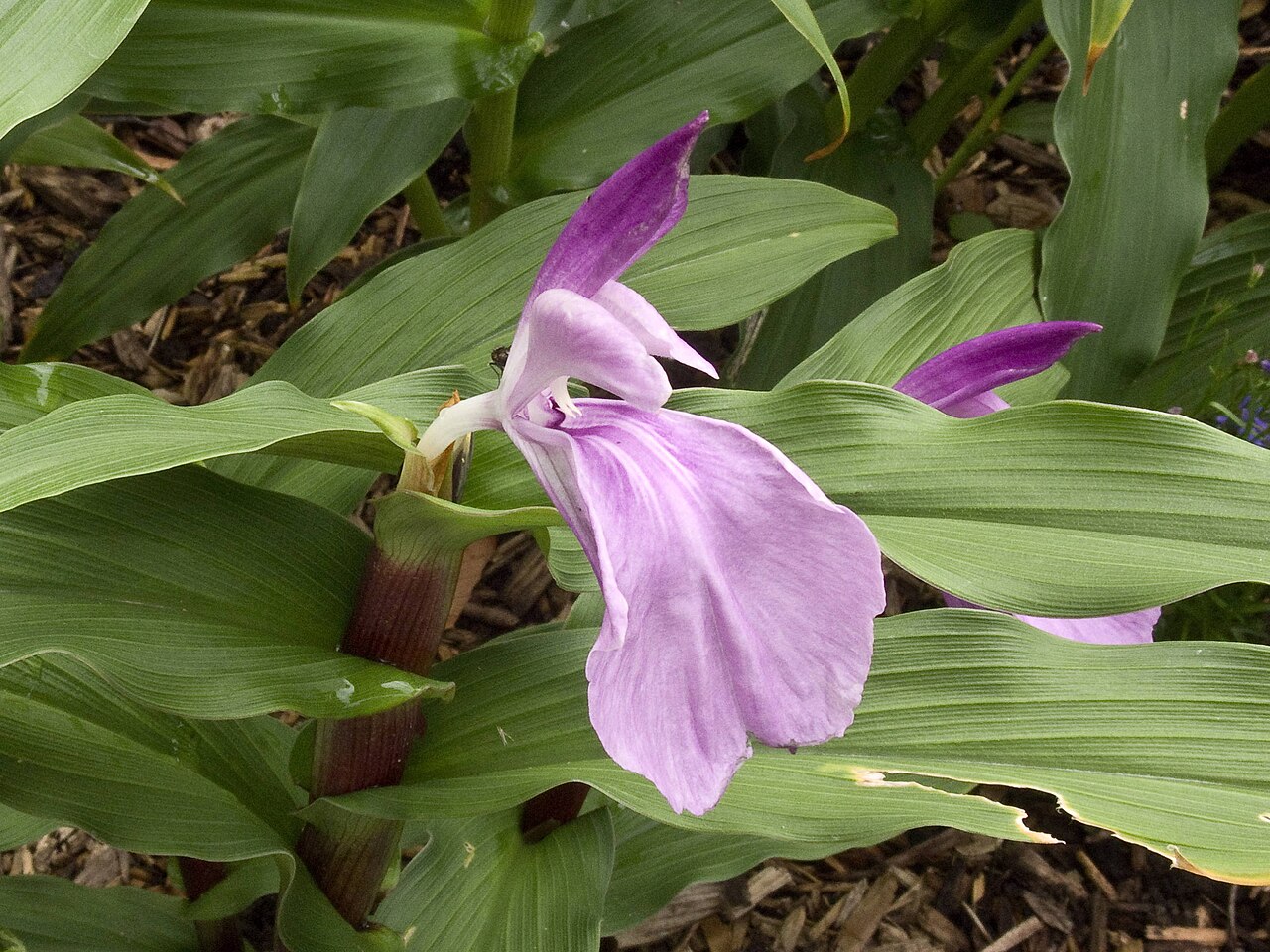
Photo: Peter coxhead · CC BY-SA 3.0 · Wikimedia Commons

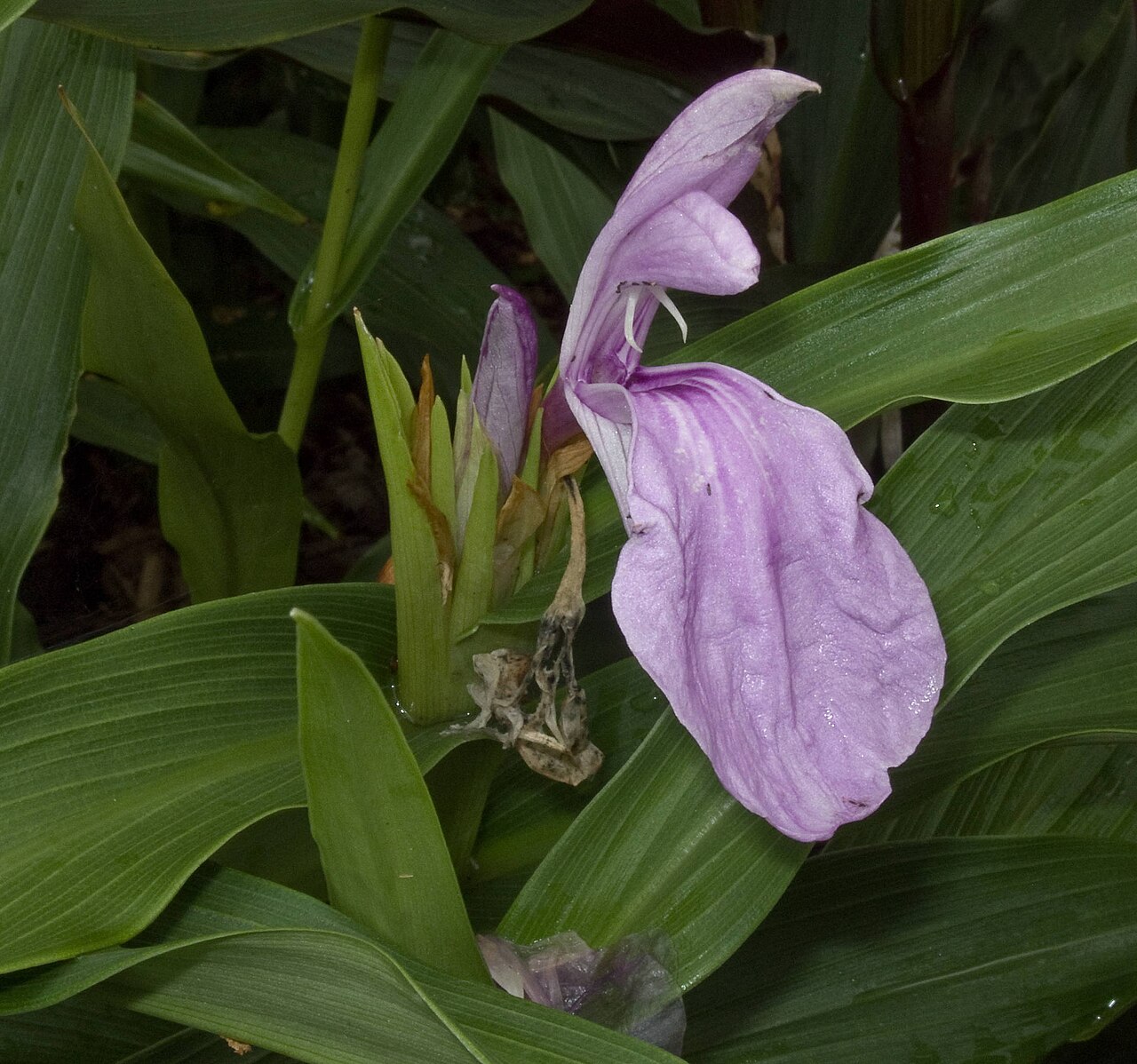
Photo: Peter Coxhead · CC BY-SA 3.0 · Wikimedia Commons

Matra and anupana
AS THE CLASSICAL TEXTS AND THE API PRESCRIBE
| Churna | 3–6 g |
| Anupana | Ksheera · Madhu |
| Kala | Adhobhakta |
The churna range the texts give for the Ashtavarga. In practice the powder labelled Kakoli is Ashwagandha root, whose own monograph should be read alongside.
Reported from Sharangadhara Samhita and the Ayurvedic Pharmacopoeia of India. Laisha states what the texts prescribe; it does not recommend. No quantity here is adjusted for a particular person — not for agni, koshtha, bala, age, pregnancy, kidney or liver function, or anything already being taken.
Rasapanchaka
| Rasa | Madhura |
| Guna | GuruSnigdha |
| Virya | Sheeta |
| Vipaka | Madhura |
| Prabhava | Kakoli gives its name to Sushruta's Kakolyadi gana, which it heads, and it is one of the Ashtavarga that Charaka names in Chyavanaprasha. |
| Doshakarma | Vatapittahara. |
Madhura rasa, guru and snigdha guna, sheeta virya and madhura vipaka: the Ashtavarga profile. Recorded for Kakoli as for the others, it cannot settle whether a ginger-family root or a lily bulb was meant.
Karma and part used
Kakoli is credited with jivaniya, brimhaniya, shukrajanana, daha prashamana and balya actions. Charaka lists it in more groups than most of its partners, including Snehopaga and Angamardaprashamana, the relief of body ache. The tradition's view is reported here, not tested.
| Upayukta anga | Kanda (the tuber) |
| Why it matters | The underground storage organ. In Roscoea this is a cluster of fleshy tuberous roots; in Lilium polyphyllum it is a scaly bulb. The part named in a sample therefore already hints at which candidate a supplier is using. |
Paryaya
Kshirashukla means white like milk and Dhavala simply white, both pointing at a pale root. Vayasi is from vayasa, a crow, echoing the kaka (crow) in Kakoli itself. Vira, the strong one, is a term of praise used for several Ashtavarga members.
Names, by language
| English | — |
| Hindi | Kakoli |
| Kannada | Kakoli |
| Tamil | Kakoli |
| Telugu | Kakoli |
| Malayalam | Kakoli |
| Marathi | Kakoli |
| Gujarati | Kakoli |
| Bengali | Kakoli |
| Odia | Kakoli |
| Urdu | Kakoli |
Classical references
Formulations it appears in
| Chyavanaprasha | Charaka's Chyavanaprasha (Chikitsasthana 1.1, verses 62–74) names Kakoli near the end of its list, beside Kakanasa. Products following the Pharmacopoeia usually put Ashwagandha in its place. |
| Jivaniya Gana Kwatha | Kakoli is one of the ten Jivaniya drugs, and it also leads Sushruta's corresponding Kakolyadi group. |
Adulterants and substitutes
The Ayurvedic Pharmacopoeia of India, Part II, gives Ashwagandha root (Withania somnifera) as the official substitute for Kakoli and Kshirakakoli. In the raw-drug trade Lilium polyphyllum, Fritillaria roylei and Roscoea tubers are all sold as Kakoli. A preparation naming Kakoli is unlikely to contain Roscoea purpurea at all.
Identity
Kakoli is one of the most disputed names of the group. Research literature mostly identifies it as Roscoea purpurea or the closely related Roscoea procera, a Himalayan member of the ginger family; Charak Samhita Online uses Roscoea procera. The Ayurvedic Pharmacopoeia of India, by contrast, gives Lilium polyphyllum, a lily, as Kakoli. Fritillaria roylei is also traded under the name. A ginger, a lily and a fritillary are not close relatives, and the classical text is not detailed enough to choose between them.
A WAY TO REMEMBER IT
Roscoea honours William Roscoe, founder of the Liverpool Botanic Garden; purpurea refers to the purple flower. Kakoli contains kaka, the crow, as does the synonym Vayasi. The texts do not say why the plant was named after a crow.
What the tradition holds
Kakoli is the drug that names Sushruta's Kakolyadi group, the counterpart of Charaka's Jivaniya list, and Charaka gives it unusually wide use across his groups, from nourishment to the relief of aching limbs. The texts treat it as a cooling, sweet, building root. Which root it was is still argued between botanists.
What the evidence says
| Status | Kakoli has a long record in the texts and almost no clinical study. Because three unrelated plants are sold under the name, any modern result must be read against the species actually used. |
| Suggested | The modern literature on Kakoli mostly records the identity dispute, the gap between the Pharmacopoeia's lily and the researchers' Roscoea, and the scarcity of all candidates. That is information about naming and supply, not about any effect in people. |
| Not established | No reliable trial has shown an effect of Kakoli, under any of its proposed identities, on any named condition. |
| The honest gap | The gap here is unusually wide: a study of Roscoea purpurea and a study of Lilium polyphyllum would both be called studies of Kakoli, yet they test plants from different families. No agreed chemical marker exists to check a sample. |
Safety
Kakoli in a product is most often Ashwagandha root, the official substitute, and otherwise may be a Roscoea, a lily or a fritillary. These differ in chemistry, so the safety of 'Kakoli' cannot be stated without knowing which plant was used. Ashwagandha has its own cautions, which then apply. Anyone pregnant, on medication or managing a diagnosed condition should speak to a doctor or a qualified practitioner first.
| Contraindications | The sources used here record no absolute contraindication for Kakoli itself. If the product uses Ashwagandha in its place, that plant's own contraindications apply instead. |
| Interactions | No specific drug interaction is documented for Kakoli. Because Ashwagandha is the usual substitute, the interactions to think about are often those of Ashwagandha rather than of any Roscoea or lily. |
| Pregnancy and breastfeeding | Not established for any candidate plant. Where Ashwagandha is supplied as the substitute, its own pregnancy cautions should be checked. |
Last updated · How Laisha writes and checks its pages · Report a mistake
Go further with Laisha Smarter
US$10 a month · one price worldwide · cancel any time
- Ask Laisha about any herb or formulation — up to 1,000 questions a month
- The full study tracks with practice questions
- Reports and exports as real files