Shirisha
शिरीष
Albizia lebbeck (L.) Benth.
Fabaceae · Albizia
Benefits & side effects
TRADITIONAL VIEW, WITH SAFETY LIMITS
Hindi name: Siris
What the texts say Shirisha does
- Vishaghna — antidote (against poison)
- Kushthaghna — used in skin disease
- Shothahara — reduces swelling
- Kandughna — relieves itching
- Shwasahara — relieves breathlessness
- Vranaropana — heals wounds
What the evidence says. Traditional use is extensive and long recorded. Modern clinical evidence is limited.
Side effects and limits
- Digestive upset
- Nausea from the saponins
Avoid or ask first: Use in place of emergency treatment for poisoning or snakebite, absolutely.; Pregnancy.
A traditional classification, not a recommendation. The full safety record is below.
Stands in 5 groups
- Vishaghna — Counteracting poison
- Mutrasangrahaniya — Binding the urine (named there as Kapitana)
- Vedanasthapana — Arresting pain
- Salasaradi — Prameha, obesity, and skin disease
- Nyagrodhadi — Wounds, burns, Pitta, and Prameha (named there as Kapitana)
A Samhita can only be read forwards, from the group to its members. This is the same list read backwards.
Photographs
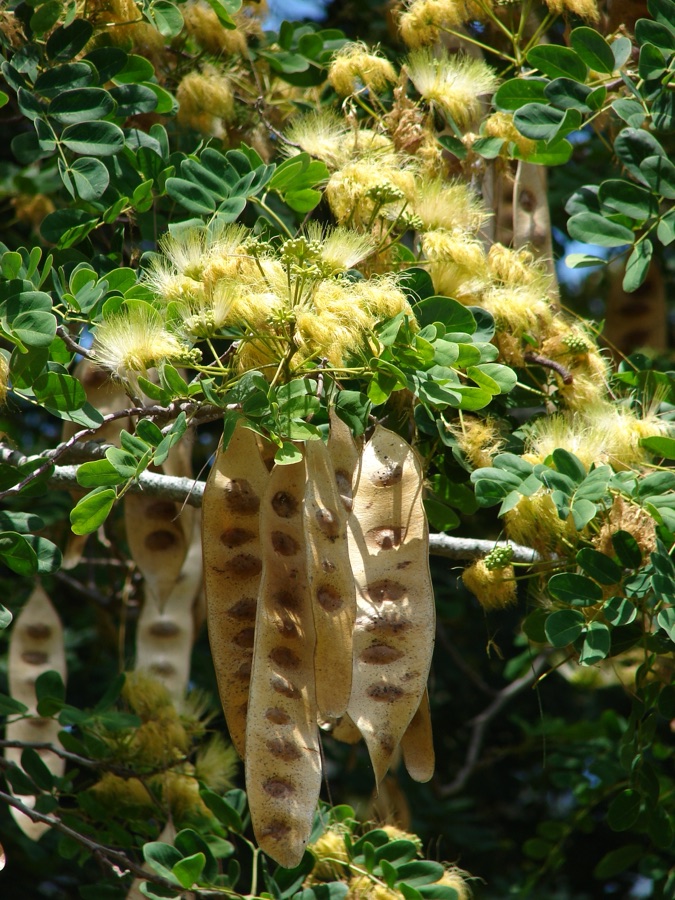
Photo: Forest & Kim Starr · CC BY 3.0 · Wikimedia Commons

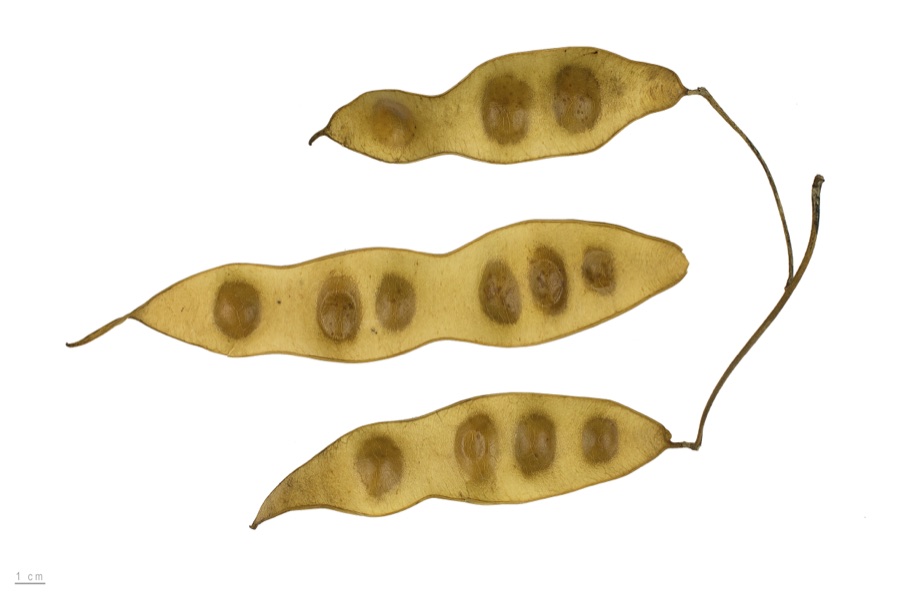
Photo: Roger Culos · CC BY-SA 3.0 · Wikimedia Commons

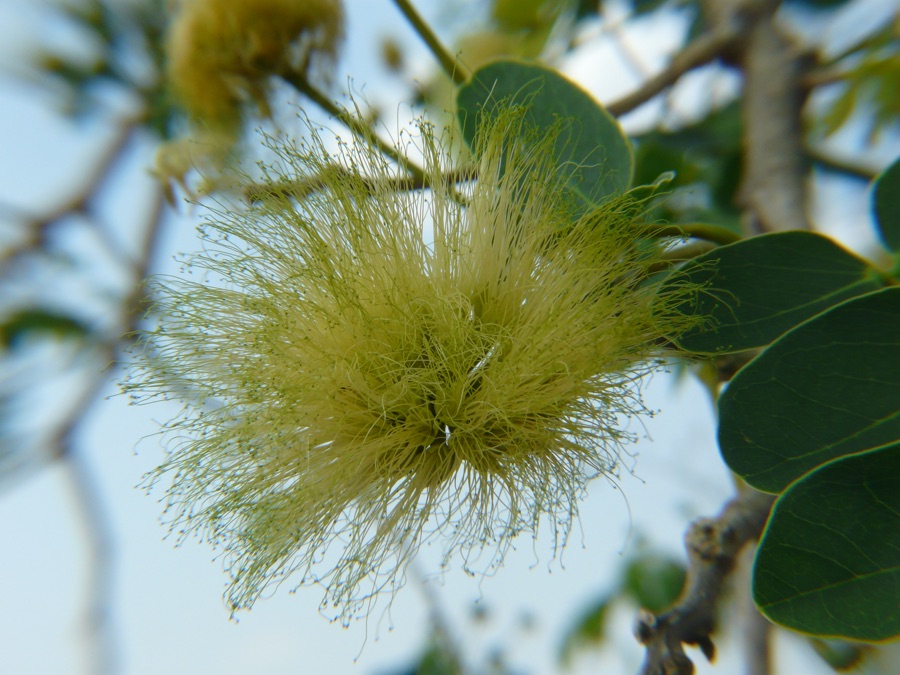
Photo: Dinesh Valke from Thane, India · CC BY-SA 2.0 · Wikimedia Commons

Matra and anupana
AS THE CLASSICAL TEXTS AND THE API PRESCRIBE
| Twak churna | 1–3 g |
| Beeja churna | 0.5–1 g |
| Kwatha | 20–40 ml |
| Anupana | Madhu · Ushnodaka |
| Kala | Adhobhakta |
The vishaghna agrya of Charaka Sutrasthana 25. The Su.4 vishaghna mahakashaya is headed by Haridra — a different claim.
Reported from Sharangadhara Samhita and the Ayurvedic Pharmacopoeia of India. Laisha states what the texts prescribe; it does not recommend. No quantity here is adjusted for a particular person — not for agni, koshtha, bala, age, pregnancy, kidney or liver function, or anything already being taken.
Rasapanchaka
| Rasa | TiktaKashayaMadhura |
| Guna | LaghuRukshaTikshna |
| Virya | Anushna |
| Vipaka | Katu |
| Prabhava | The texts treat shirisha as the chief vishaghna dravya and as acting against poisons of every kind, and that standing is treated as prabhava rather than derived from its rasapanchaka. |
| Doshakarma | Tridoshahara. |
Tikta, kashaya and madhura with anushna virya and katu vipaka.
Karma and part used
These are the actions the classical texts record. They are statements about what the tradition holds, and this library does not restate them as findings about a human body.
| Upayukta anga | Twak (the stem bark) Beeja (the seed) Pushpa (the flower) |
| Why it matters | The bark is the dravya most used. The seed and flower are used separately. |
Paryaya
Vishaghna as a paryaya is the tradition naming the plant for its chief use. Mridupushpa, soft-flowered, describes the powder-puff flower heads that identify every Albizia.
Names, by language
| English | Lebbeck |
| Sinhala | Mara |
| Nepali | Siris |
| Hindi | Siris |
| Kannada | Bage |
| Tamil | Vaagai |
| Telugu | Dirisena |
| Malayalam | Nenmenivaka |
| Marathi | Shirish |
| Gujarati | Sarsado |
| Bengali | Siris |
| Punjabi | Sarinh |
| Odia | Sirisha |
| Urdu | Siras |
Classical references
Rasa, guna, virya, vipaka and karma are recorded as the classical texts give them, with the text and section named so a student can open the book and check. Where an exact chapter and verse could not be confirmed, this library names the section rather than inventing a number.
Formulations it appears in
| Shirishavaleha | A linctus named for the dravya. |
| Shirishadi Kwatha | Named for the dravya. |
| Haridra Khanda | Shirisha appears in some recensions. |
Adulterants and substitutes
Other Albizia species — Albizia procera, Albizia odoratissima — are collected and sold as shirisha and are difficult to tell apart once the bark is dried and cut.
Identity
Matched live against the GBIF backbone on 28 September 2026 at 99 per cent confidence. Ayurveda names this the foremost vishaghna dravya — the first thing reached for against poison — which makes the safety note below unusually important to state plainly.
A WAY TO REMEMBER IT
Albizia honours Filippo degli Albizzi. Lebbeck is from the Arabic name. The pod rattles in the wind, which is why English calls it the woman's-tongue tree.
What the tradition holds
Shirisha is named in the Charaka Samhita among the dravya acting against poison, and in the Sushruta Samhita's chapters on poisoning. That is what the tradition holds and where it is written down, not a finding about what the bark does in a body.
Constituents. The bark carries saponins and tannins; the seed carries lectins.
What the evidence says
| Status | Traditional use is extensive and long recorded. Modern clinical evidence is limited. |
| Suggested | Health Canada publishes monographs covering Ayurvedic ingredients and permits specific traditional-use claims, which reflects a regulator accepting a documented tradition rather than a body of clinical trial evidence. |
| Not established | There is not enough good clinical evidence to establish an effect on any named health condition. Long traditional use is not a substitute for that evidence, and this library does not present it as one. |
| The honest gap | Published work is limited and largely concerns extracts in animals rather than the bark as prepared traditionally. |
Safety
This requires one thing said very plainly, because of what the tradition claims for it. Ayurveda names shirisha the foremost dravya against poison. That is a historical statement about a tradition, not an instruction. Snakebite, scorpion sting, and poisoning of any kind are medical emergencies requiring hospital treatment and, where relevant, antivenom — and every hour lost to a herbal remedy is an hour of harm. Nothing on this page should be read as suggesting shirisha can treat a poisoning. Beyond that, the bark saponins can irritate the gut, and the seed carries lectins and is not eaten. Anyone on medication, pregnant, or managing a diagnosed condition should speak to a doctor or a qualified practitioner first.
| Side effects | Digestive upset Nausea from the saponins |
| Contraindications | Use in place of emergency treatment for poisoning or snakebite, absolutely. Pregnancy. |
| Interactions | No specific interaction is documented here. Anyone on regular medication should still tell their doctor what they are taking. |
| Pregnancy and breastfeeding | Not to be used in pregnancy without a qualified practitioner. There is not enough evidence to establish safety in breastfeeding. |
Growing it
| Climate | Tropical and subtropical; drought-hardy, widely planted for shade and timber. |
| Soil | Wide range including poor ground. A legume, so it fixes nitrogen. |
| Planting | A large tree, raised from seed. Fast-growing. |
| Harvest | Bark taken in strips from part of the trunk so the tree survives. Pods collected when dry. |
| What is not stated | This library has not verified region-specific spacing, variety and yield figures against a named agricultural authority for every growing country, and does not state them rather than guessing. |
Last updated · How Laisha writes and checks its pages · Report a mistake
Go further with Laisha Smarter
US$10 a month · one price worldwide · cancel any time
- Ask Laisha about any herb or formulation — up to 1,000 questions a month
- The full study tracks with practice questions
- Reports and exports as real files