Ushira
उशीर
Chrysopogon zizanioides (L.) Roberty
Poaceae · Chrysopogon
Benefits & side effects
TRADITIONAL VIEW, WITH SAFETY LIMITS
Hindi name: Khus
What the texts say Ushira does
- Daha prashamana — relieves burning
- Trishna nigrahana — relieves thirst
- Jwaraghna — used in fever
- Stambhana — astringent, checks discharge
- Mutrala — diuretic
- Varnya — improves complexion
What the evidence says. Traditional use is long recorded. Modern clinical evidence is limited.
Side effects and limits
Widely used in food, drink and cosmetics as well as medicine, with no significant toxicity recorded. The practical problem is adulteration with spent root from the perfume industry rather than harm. Anyone pregnant, on medication or managing a diagnosed condition should speak to a doctor or a qualified practitioner first.
Avoid or ask first: No absolute contraindication is documented here. This is written deliberately rather than left blank.
A traditional classification, not a recommendation. The full safety record is below.
Stands in 8 groups
- Varnya — Improving complexion
- Stanyajanana — Generating breast milk (named there as Virana)
- Shukrashodhana — Purifying semen
- Chhardinigrahana — Arresting vomiting
- Dahaprashamana — Allaying burning
- Angamardaprashamana — Allaying body ache
- Eladi — Vata and Kapha, poison, and itching
- Sarivadi — Thirst, burning, and Pitta fever
A Samhita can only be read forwards, from the group to its members. This is the same list read backwards.
Photographs
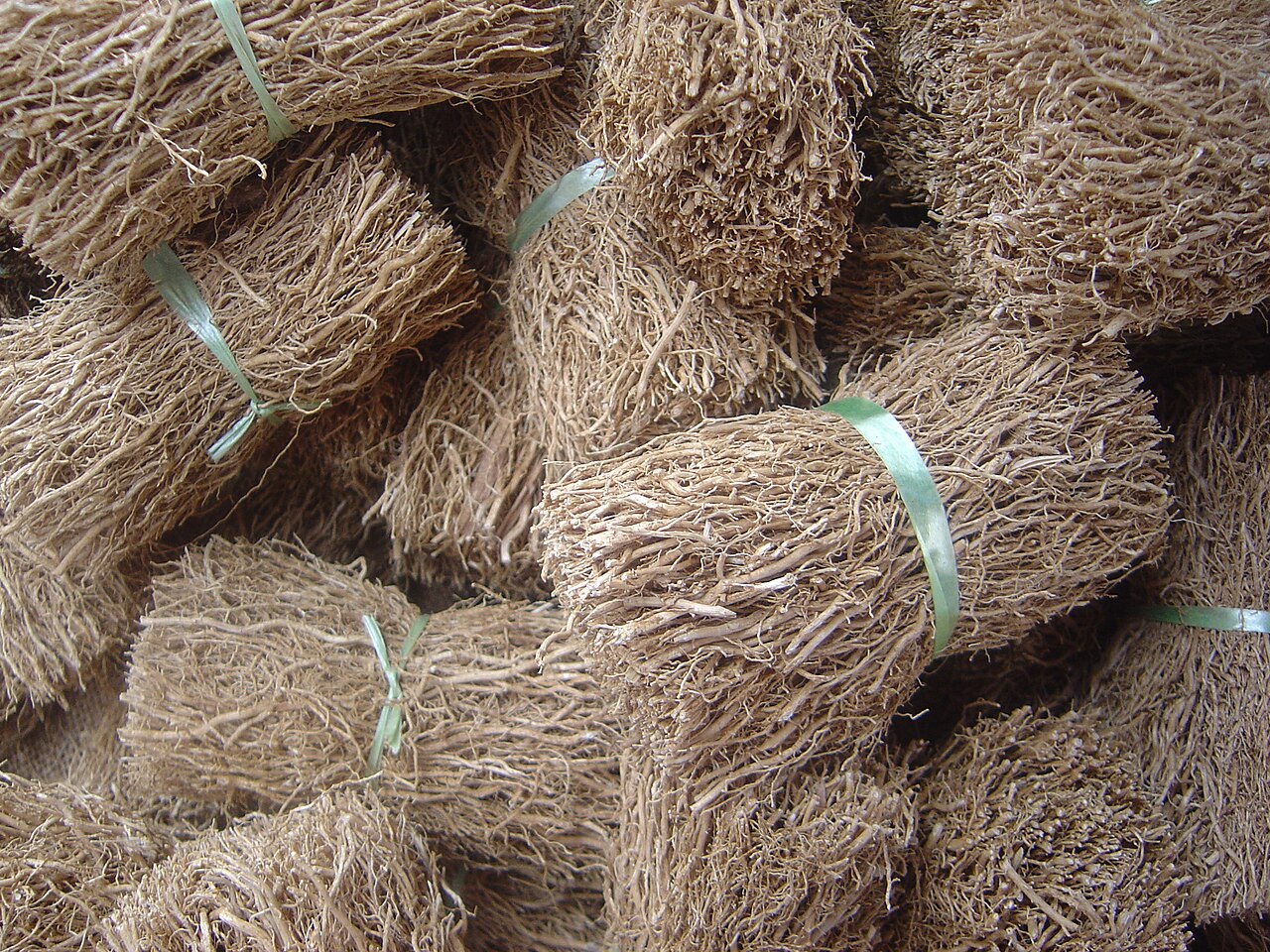
Photo: Copyright © 2005 David Monniaux · CC BY-SA 3.0 · Wikimedia Commons

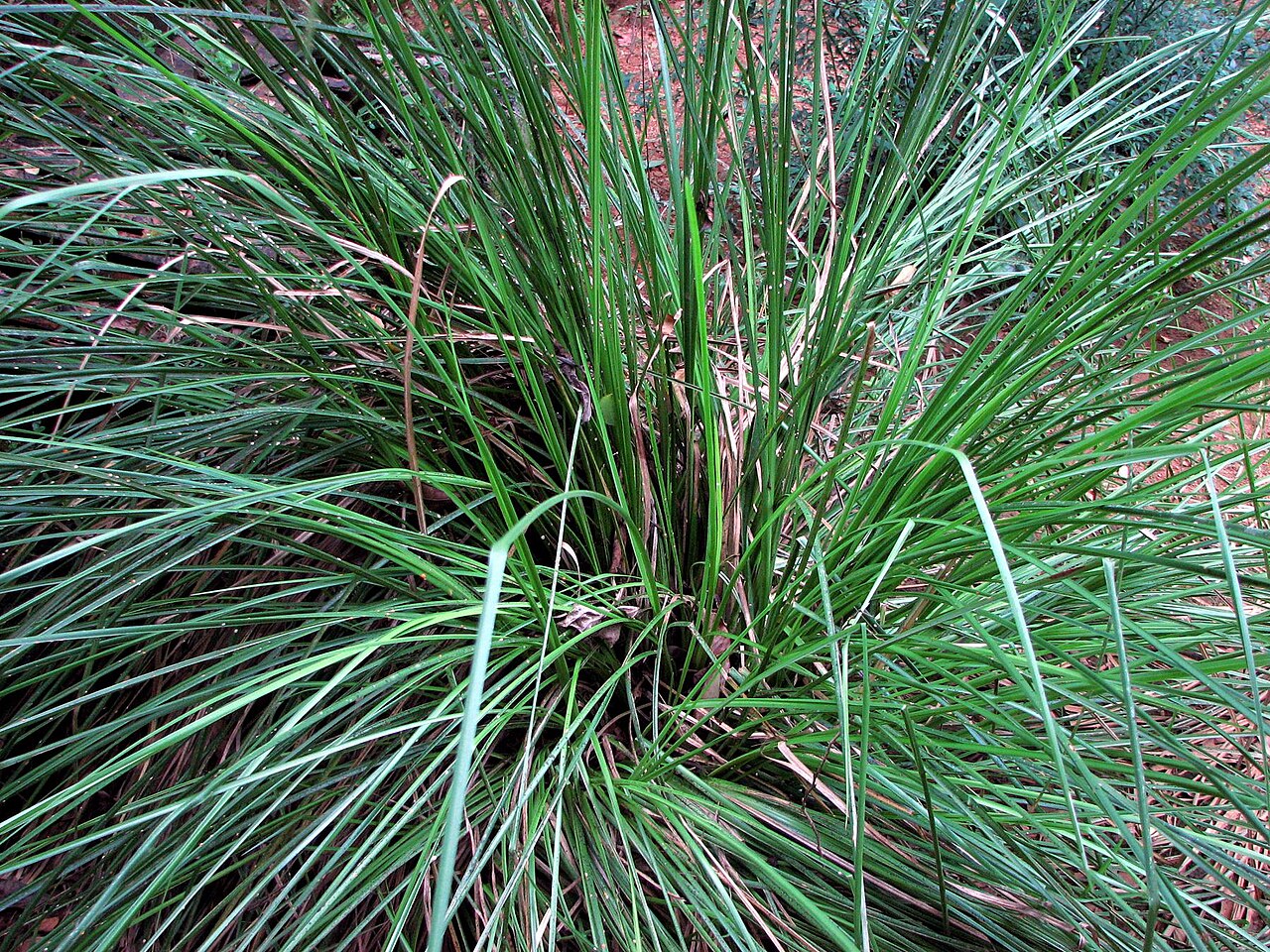
Photo: Deepugn at Malayalam Wikipedia · Public domain · Wikimedia Commons

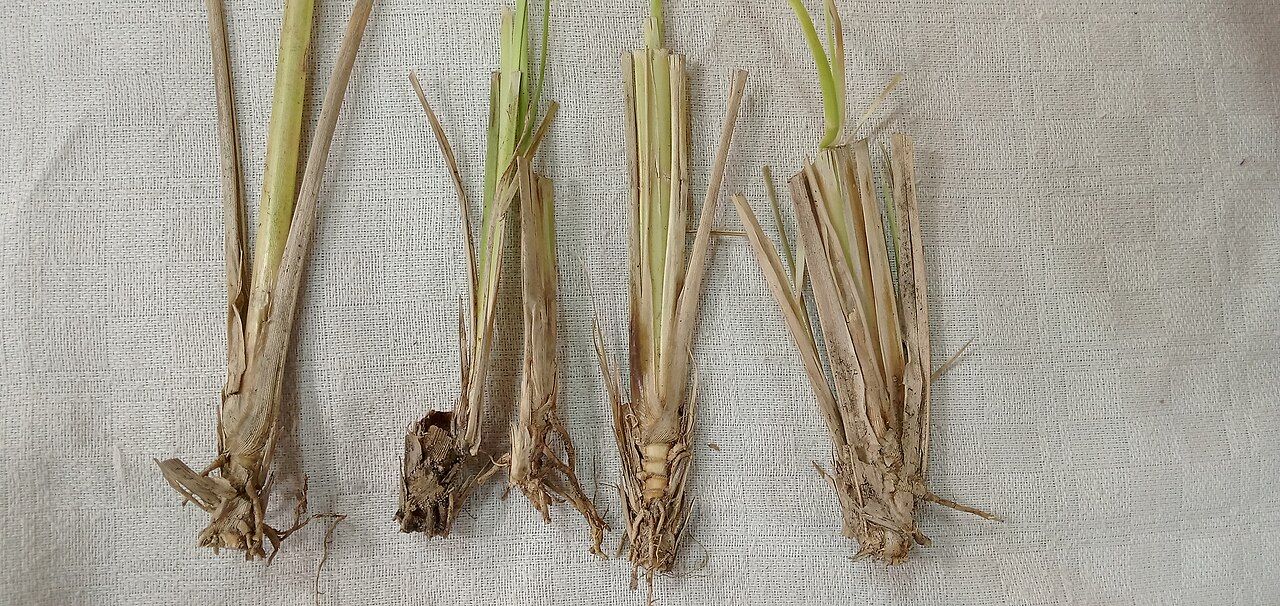
Photo: Thamizhpparithi Maari · CC BY-SA 4.0 · Wikimedia Commons

Matra and anupana
AS THE CLASSICAL TEXTS AND THE API PRESCRIBE
| Churna | 3–6 g |
| Kwatha | 50–100 ml |
| Anupana | Sheetajala |
| Kala | Adhobhakta |
The classical daha-trishna matra.
Reported from Sharangadhara Samhita and the Ayurvedic Pharmacopoeia of India. Laisha states what the texts prescribe; it does not recommend. No quantity here is adjusted for a particular person — not for agni, koshtha, bala, age, pregnancy, kidney or liver function, or anything already being taken.
Pharmacopoeial standard
Ayurvedic Pharmacopoeia of India, Part I
| Marker | The volatile oil profile |
| Assay | |
| Total ash | |
| Acid-insoluble ash | |
| Alcohol-soluble extractive | |
| Water-soluble extractive | |
| Foreign matter |
Chrysogon zizanioides root. Spent root left after oil distillation passes every identity test and has no oil, so the oil content is the test that matters.
These are the marker and the identity test for this dravya, and they are not a test Laisha has run on anything. Laisha does not state the numeric limits here: the assay, ash and extractive figures must be read from the current edition of the Ayurvedic Pharmacopoeia of India, because a wrong limit printed here is a number a laboratory would act on. The entries in this library that DO carry figures carry them because each one was checked.
Rasapanchaka
| Rasa | TiktaMadhura |
| Guna | LaghuRuksha |
| Virya | Sheeta |
| Vipaka | Katu |
| Prabhava | Named for daha and trishna together — the pairing that puts it in Shadanga Paniya alongside musta and parpataka. |
| Doshakarma | Kaphapittahara. |
Tikta and madhura with sheeta virya and katu vipaka. It is the cooling drug of the summer preparations and of Shadanga Paniya.
Karma and part used
These are the actions the classical texts record. They are statements about what the tradition holds, and this library does not restate them as findings about a human body.
| Upayukta anga | Mula (the root) |
| Why it matters | The aromatic root, and only the root. The aerial grass is fodder and is not the dravya. |
Paryaya
Virana names the grass; Ushira names its root. The distinction is the one a paper question turns on.
Names, by language
| English | Vetiver |
| Hindi | Khus |
| Kannada | Lavancha |
| Tamil | Vettiver |
| Telugu | Vettiveru |
| Malayalam | Ramacham |
| Marathi | Vala |
| Gujarati | Valo |
| Bengali | Khaskhas |
| Odia | Bena |
| Urdu | Khas |
Classical references
Formulations it appears in
| Shadanga Paniya | One of the six dravya the preparation is named for. |
| Ushirasava | Named for the dravya. |
| Chandanadi Taila | An ingredient. |
Adulterants and substitutes
The roots of other aromatic grasses, particularly Cymbopogon species, are traded as khus, and spent root left after the essential oil has been distilled is sold on as the whole article. Spent root looks correct and smells of almost nothing, which is the check: the dravya is bought for an aroma, so a sample without one has already been used.
Identity
Long published as Vetiveria zizanioides; Chrysopogon is the accepted genus in the current backbone, and both names appear in the pharmacopoeial and trade literature. A student meeting Vetiveria in an older textbook is meeting the same grass.
A WAY TO REMEMBER IT
Chrysopogon is Greek chrysos, gold, and pogon, a beard — the golden bearded flower spike. Zizanioides means resembling Zizania, wild rice. The root is woven into screens that are wetted so the hot wind arrives cooled, which is the same karma the texts give it.
What the tradition holds
Ushira is named among the Dahaprashamana and Jwarahara mahakashaya of the Charaka Samhita and is one of the six dravya of Shadanga Paniya. That is what the tradition holds and where it is recorded.
What the evidence says
| Status | Traditional use is long recorded. Modern clinical evidence is limited. |
| Suggested | The dravya holds a pharmacopoeial monograph in India, which records an accepted identity and quality standard for the article. That is a standard for the material, not evidence of an effect in a body. |
| Not established | There is not enough good clinical evidence to establish an effect on any named health condition. Long traditional use is not a substitute for that evidence, and this library does not present it as one. |
| The honest gap | Most published work on vetiver concerns the essential oil used in perfumery, or the grass planted in hedges for soil and water conservation, rather than the root as the texts prescribe it, and it rarely records whether the root was fresh or already distilled. |
Safety
Widely used in food, drink and cosmetics as well as medicine, with no significant toxicity recorded. The practical problem is adulteration with spent root from the perfume industry rather than harm. Anyone pregnant, on medication or managing a diagnosed condition should speak to a doctor or a qualified practitioner first.
| Contraindications | No absolute contraindication is documented here. This is written deliberately rather than left blank. |
| Interactions | No specific drug interaction is documented for this dravya. That is the honest state of the evidence, not a statement that none exists — most Ayurvedic dravya have never been studied for interaction with modern medicines at all. |
| Pregnancy and breastfeeding | No specific harm in pregnancy is documented, and the root is in wide food and beverage use. No adequate study in pregnancy exists, so safety has not been formally established. |
Growing it
Grown as a crop: how to grow vetiver, from sowing to harvest, in Laisha's grow guides.
Last updated · How Laisha writes and checks its pages · Report a mistake
Go further with Laisha Smarter
US$10 a month · one price worldwide · cancel any time
- Ask Laisha about any herb or formulation — up to 1,000 questions a month
- The full study tracks with practice questions
- Reports and exports as real files